Trump's Hormuz Warning Could Be A Surprise Catalyst For Tanker Stocks
Context mode is active. Hover over any highlighted term to see its definition. Click a nested term to go deeper.
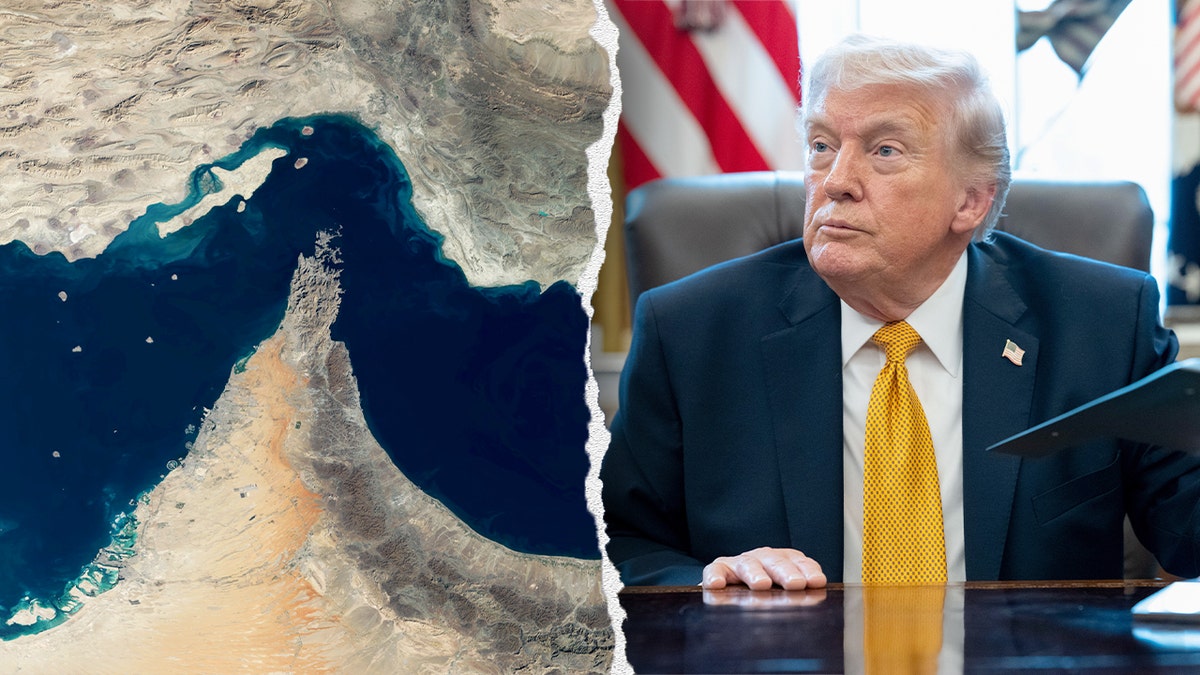
Donald Trump latest Truth Social post has ignited fresh geopolitical volatility, accusing Iran of an 'unacceptable' drone attack on Indian ships departing the Strait of Hormuz on June 12, 2026, even as New Delhi protested US strikes on its vessels in the Gulf of Oman which killed three Indian seafarers. This provocative statement arrives amidst a highly sensitive period of US-Iran negotiations, where a peace deal to end months of conflict and reopen the crucial waterway remains perpetually 'closer than ever,' yet fraught with deep disagreements. The backdrop to Trump's remarks is a three-and-a-half-month-long US-Israel war with Iran, which has seen the Strait of Hormuz largely shut to normal traffic, triggering the 'largest energy shock in history'. This blockade has choked off approximately 20% of global crude oil and LNG supply, sending war-risk insurance premiums for vessels through the roof—up to 4,000% higher than pre-crisis levels—and severely constraining vessel availability. While optimism about a potential US-Iran Memorandum of Understanding had recently tempered surging oil prices, the persistent maritime insecurity and conflicting reports on deal terms, particularly regarding Iran control over the Strait and its nuclear program, underscore the fragility of any perceived de-escalation. India, notably, has already diversified 70% of its crude imports away from the Strait, reflecting the broader market's scramble for alternative routes and resilience. For investors, Trump's warning serves as a potent reminder that renewed concerns around Hormuz can rapidly reshape market dynamics, particularly for tanker stocks. Despite a recent dip in crude oil prices, major tanker operators like Frontline Plc, Nordic American Tankers, Scorpio Tankers, and Pyxis Tankers are exhibiting strong momentum, as strained global shipping capacity and elevated freight rates due to route diversions and heightened risks continue to drive profitability. The fate of these stocks hinges on the ongoing diplomatic tightrope walk, as any prolonged disruption or, conversely, a messy reopening of the Strait, promises continued volatility and elevated shipping costs, maintaining focus on this niche but critical sector in the global energy trade. The prospect of vessels returning to the Middle East once security improves, coupled with potentially permanent damage to some oil infrastructure, suggests sustained high freight rates even after a deal.