Asia-Pacific markets set to open mixed as Trump signals no rush on Iran agreement
Context mode is active. Hover over any highlighted term to see its definition. Click a nested term to go deeper.
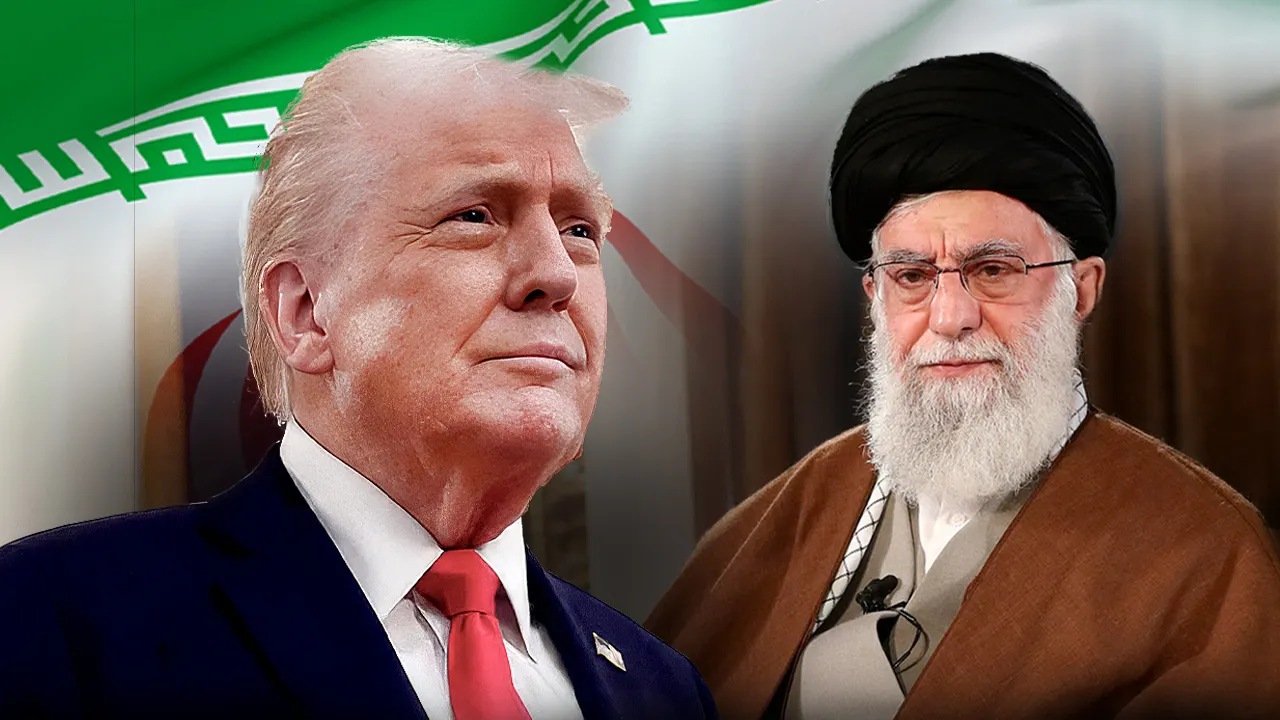
Donald Trump latest signal of "no rush" on a new Iran nuclear accord has sent a ripple of volatility through Asia-Pacific equities this Monday, with markets opening mixed as investors brace for prolonged geopolitical uncertainty. This nuanced stance, communicated via a late-Sunday social media post, avoids outright confrontation but leaves critical economic and security questions hanging over Tehran ballistic missile program and regional proxy activities. The move extends a period of high-stakes diplomatic limbo, impacting sentiment across key trading hubs. This marks a calculated recalibration by the newly re-inaugurated Trump administration, eschewing the swift "deal-making" rhetoric of previous terms in favor of strategic ambiguity. It signals a potential pivot from immediate nuclear diplomacy towards broader regional security concerns, particularly Iran's burgeoning ballistic missile capabilities and its network of proxy forces, complicating efforts by European allies to revive a multilateral framework. The existing sanctions regime, largely maintained since the 2018 withdrawal from the Joint Comprehensive Plan of Action (JCPOA), remains a critical lever in Washington's strategy. Investors will now closely watch for specific policy pronouncements from Washington, particularly regarding sanctions enforcement and any signals of renewed pressure campaigns. The immediate effect will be continued crude oil price volatility and heightened risk aversion in emerging markets, especially those dependent on Middle Eastern energy supplies. As the prospect of prolonged U.S.-Iran tensions looms large, the global economy faces a sustained period where geopolitics will heavily influence capital flows and commodity prices.