Why US Called Pakistan's Ishaq Dar To Washington As Abraham Accords Return To Focus
Context mode is active. Hover over any highlighted term to see its definition. Click a nested term to go deeper.
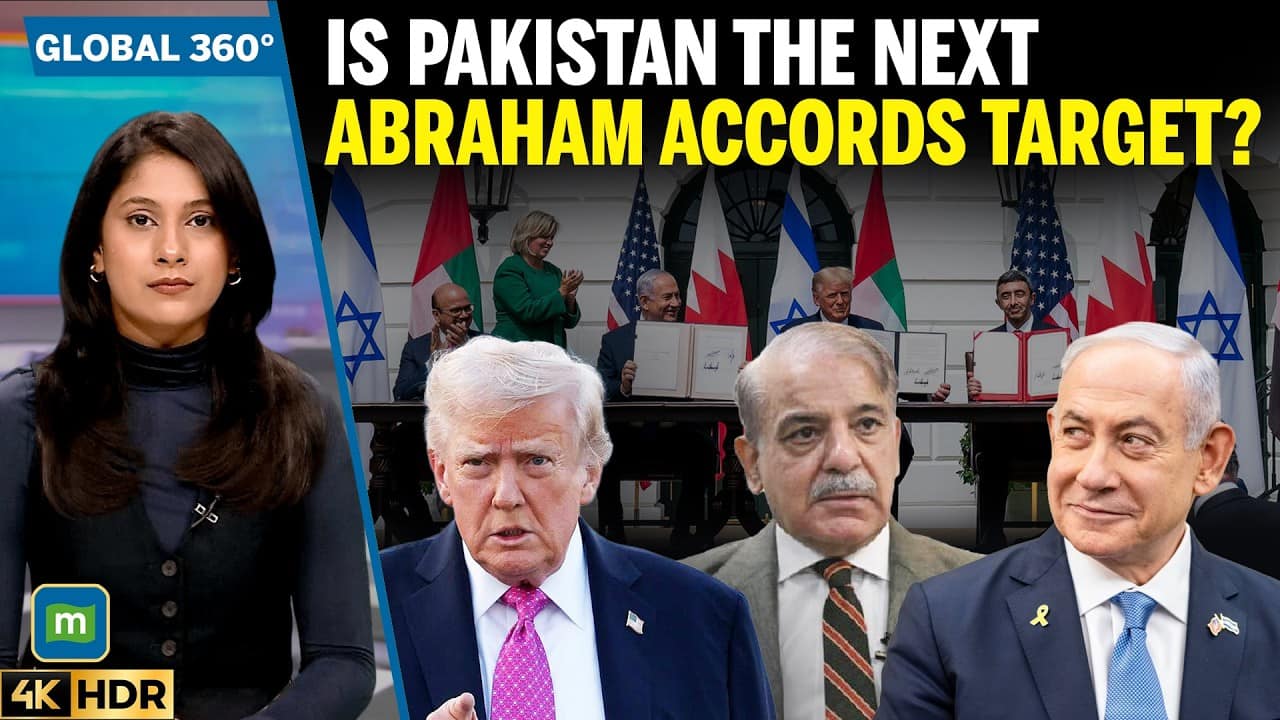
Pakistani Foreign Minister Ishaq Dar emergency trip to Washington signals a high-stakes American push to untangle West Asia's complex web, potentially leveraging Islamabad to expand the Abraham Accords and shepherd a critical Iran peace initiative. The surprise bilateral talks with Secretary of State Marco Rubio, confirmed late Thursday, underscore Washington's urgent need for a new strategic vector in the region, positioning Pakistan as an unexpected lynchpin in a renewed normalization drive. This diplomatic gambit comes as the Abraham Accords' momentum has slowed, with several key nations remaining resistant to direct engagement with Israel despite sustained U.S. pressure. Concurrently, regional tensions with Iran, though managed, persist, driving a quiet U.S. effort to forge a broader security architecture that de-escalates flashpoints while fostering economic integration. Pakistan, historically a staunch non-recognizer of Israel and a critical regional player with complex ties to both Saudi Arabia and Iran, offers a unique channel that could fundamentally alter the geopolitical calculus, especially with its recent internal political shifts signaling greater openness to external engagement. Observers will be closely watching for any joint statements or subtle shifts in rhetoric regarding Israel normalization or a framework for Iran-West dialogue, with economic aid packages or defense cooperation potentially on the table for Pakistan. The outcome will not only define Islamabad's regional role but could also set a precedent for other hesitant Muslim-majority nations, recalibrating the delicate balance of power across West Asia for the next decade.