Malaysia's ECRL Enters Crucial Testing Phase, Signalling Imminent Operations
Context mode is active. Hover over any highlighted term to see its definition. Click a nested term to go deeper.
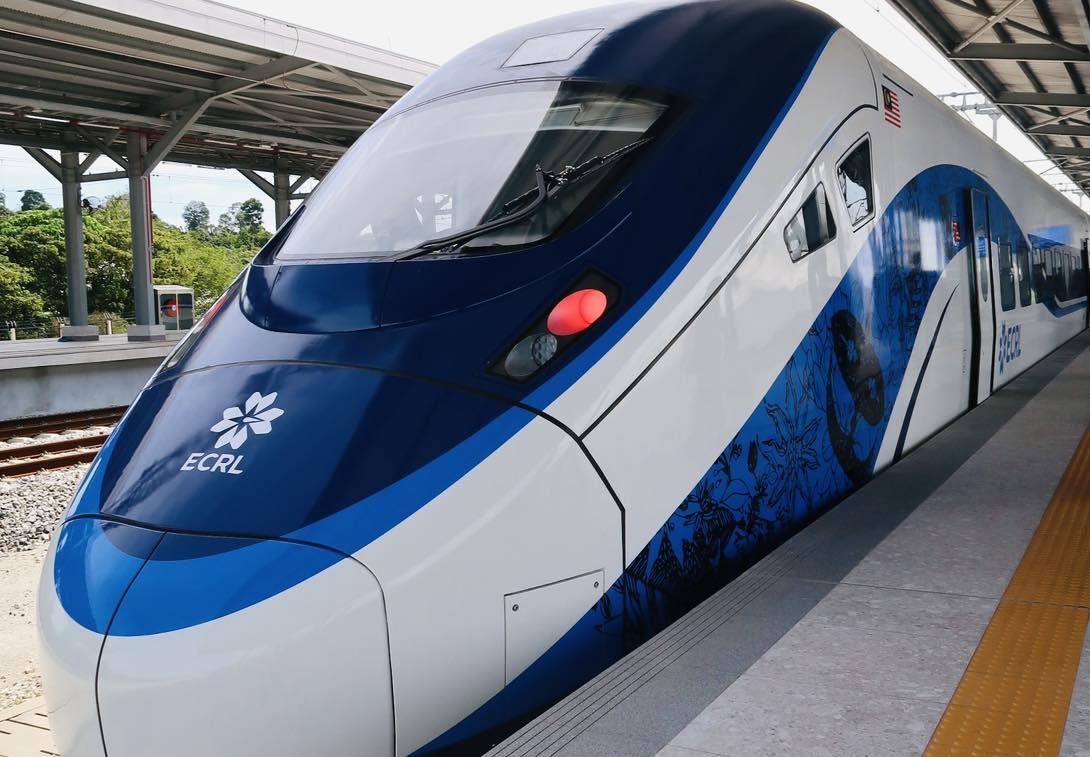
Malaysia's ambitious East Coast Rail Link (ECRL), a cornerstone of China's Belt and Road Initiative, has entered a critical new phase with the commencement of extensive system checks. This includes rigorous System Integration Testing (SIT) and an 8,000-kilometer Fault-Free Run (FFR), moving the mega-project closer to its anticipated commercial operations. With Phase 1, linking Kota Bharu to Gombak, now 95.08% complete, Malaysian Transport Minister Anthony Loke Siew Fook aims to fast-track its launch to early December 2026, ahead of the original January 2027 target. This development holds significant stakes for regional connectivity and economic balance, as the ECRL is designed to bridge Malaysia's less-developed east coast with its industrial west. Led by the China Communications Construction Company (CCCC) and Malaysia Rail Link Sdn Bhd (MRL), the project has seen rapid progress, including the near-completion of the Integrated Transport Terminal Gombak. Its strategic importance extends beyond Malaysia, potentially offering an alternative trade route that could ease China's 'Malacca Dilemma' – its reliance on the narrow Strait of Malacca for crucial energy imports. Looking ahead, the successful completion of these tests will pave the way for Phase 1 commercial operations, potentially allowing Malaysians to utilize the service for the Eid al-Fitr holidays in 2027. Meanwhile, Phase 2, extending to Port Klang, is slated for completion by December 2027, with the entire ECRL expected to be fully operational by January 2028. Local governments, like Terengganu, are already accelerating transit-oriented development around future stations, anticipating a fresh wave of economic activity and improved travel times across Peninsular Malaysia.