A Gold Confiscation Again? Why History Suggests It Could Happen
Context mode is active. Hover over any highlighted term to see its definition. Click a nested term to go deeper.
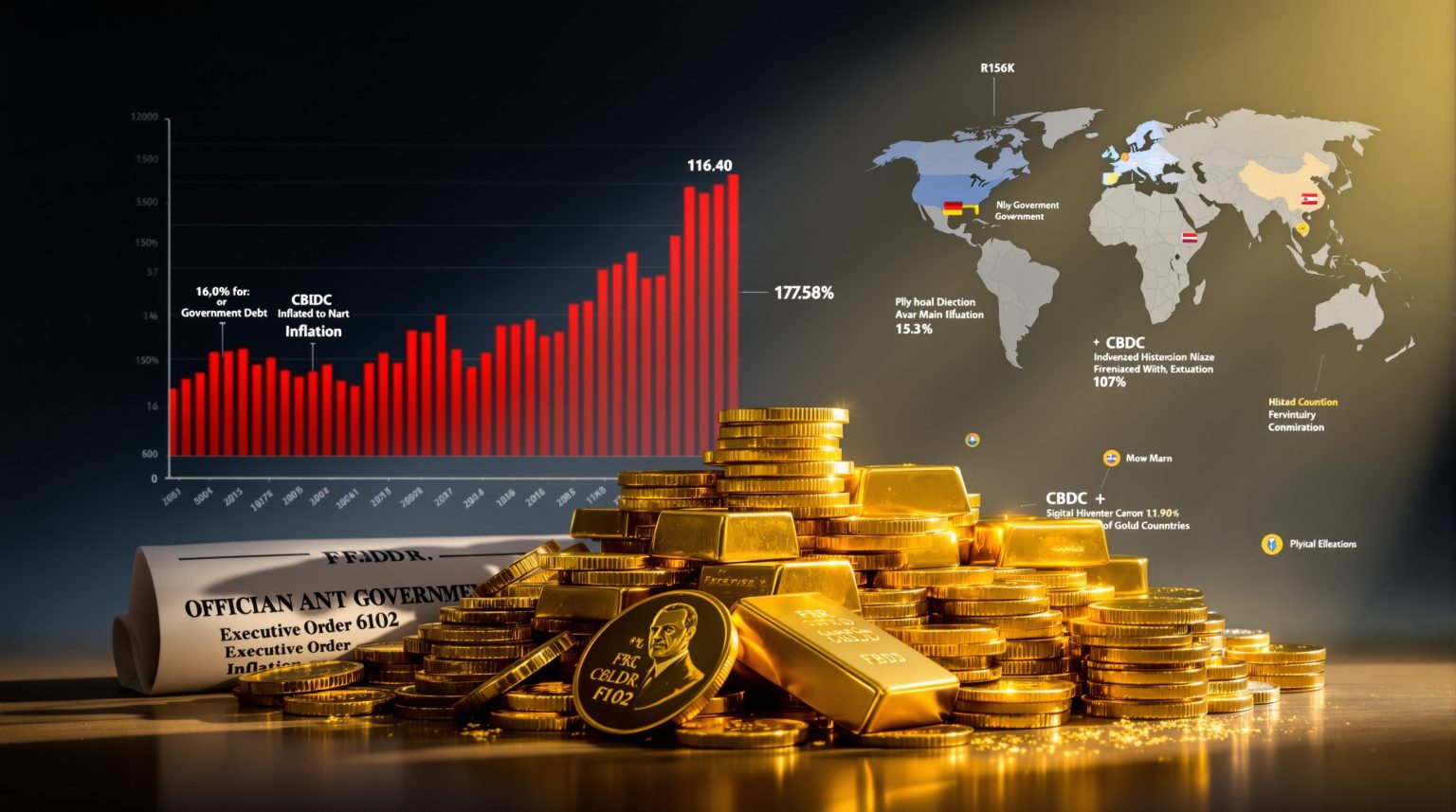
Central banks globally are in an unprecedented gold buying spree, snapping up the precious metal at nearly double the historical pace of the last decade, with an average of 1,000 tonnes accumulated annually over the past four years. This aggressive accumulation, highlighted by the World Gold Council Q1 2026 report showing 244 tonnes purchased, is driven by a profound shift towards reserve diversification amidst escalating geopolitical instability, with many nations actively seeking alternatives to US dollar-denominated assets. The move signals a deep-seated desire among monetary authorities for financial sovereignty and a hedge against the growing risks of sanctions and counterparty exposure in a fragmented global economy. The conversation around 'gold confiscation' is evolving, moving beyond historical outright seizures like the US Executive Order 6102 in 1933 to more subtle, indirect methods in the modern era. These can include increased taxation, stricter regulations, or the insidious erosion of purchasing power through inflation, all of which act as a de facto transfer of wealth from private gold holders to the government. Furthermore, the intriguing concept of 'gold revaluation' has emerged, where national treasuries could theoretically reprice their gold reserves at current market values to generate substantial balance sheet gains, providing a non-debt financing option to tackle burgeoning public debt. This idea, though not officially pursued by the US Treasury as of early 2025, remains a powerful theoretical tool in times of extreme fiscal pressure. Looking ahead, the sustained central bank demand for gold is fundamentally altering the global monetary system, with gold already surpassing US Treasuries as the largest reserve asset for many nations. This trend suggests a foundational reassessment of risk and value by the world's most sophisticated financial institutions, implying a more prominent role for gold in future economic stability. Investors and savers should closely watch for continued central bank actions, discussions around financial asset controls, and the trajectory of inflation and interest rates, as these forces will continue to shape gold's price and its perceived role as a safe haven in an uncertain world.