‘A Mistake’: Trump Shrugs Off Minab Strike, 'Won't Punish Anyone' For Killing 168 Iran Children
Context mode is active. Hover over any highlighted term to see its definition. Click a nested term to go deeper.
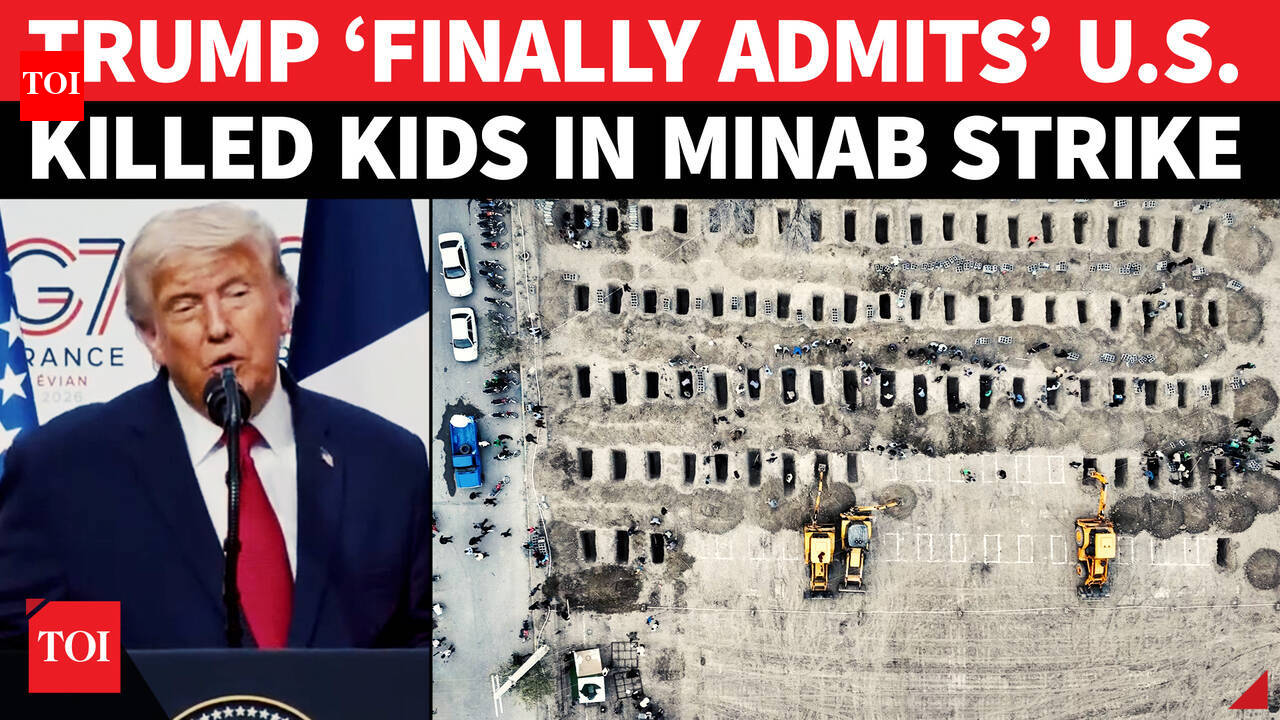
US President Donald Trump is shrugging off accountability for the devastating February 28, 2026, Minab strike, which killed 168 Iranian children at Shajareh Tayyebeh Elementary School, labeling the incident a 'mistake' with no intent to punish those responsible. His dismissal comes amid fresh international scrutiny, with a preliminary US Department of Defense investigation reportedly concluding American forces were behind the Tomahawk missile attack, likely due to outdated intelligence that misidentified the school as a military base. This controversy escalates as a new peace deal is signed, yet questions of military ethics and the cost of war remain starkly unanswered. The Minab tragedy occurred on the opening day of the 2026 Iran War, a conflict that erupted from collapsed nuclear negotiations and has exacted a severe human and economic toll, notably disrupting global oil supplies via Iran blockade of the Strait of Hormuz. While President Trump and his Iranian counterpart Masoud Pezeshkian, mediated by Pakistan's Prime Minister Shehbaz Sharif, just inked the Islamabad Memorandum to terminate military operations and ease sanctions, the strike highlights persistent critiques of the Trump administration's approach to military accountability. Defense Secretary Pete Hegseth recently castigated NATO allies for denying base access for attacks on Iran, further underlining the complex geopolitical landscape surrounding US military actions and the perceived lack of transparency regarding civilian casualties. Adding another layer to this is Trump's recent National Security Presidential Memorandum 11 (NSPM-11), which seeks to accelerate AI adoption in warfare and vests accountability within the military chain of command, raising concerns about future targeting decisions and civilian protection. As the Islamabad Memorandum sets a 60-day window for comprehensive negotiations on a final peace agreement and the critical issue of Iran nuclear program, the Minab strike legacy of unaddressed civilian deaths will loom large. International organizations continue to demand transparency and justice for victims, including Makan Nasiri, a child whose body was never recovered from the school's rubble, symbolizing the profound and unhealed wounds of the conflict. The coming months will test whether the newly forged peace can genuinely address these deep-seated grievances or if the US's posture on military accountability will continue to fuel global resentment and distrust.