Trump Backs War Chief Hegseth Amid 'Treasonous' Leak Outcry on Dwindling Missiles
Context mode is active. Hover over any highlighted term to see its definition. Click a nested term to go deeper.
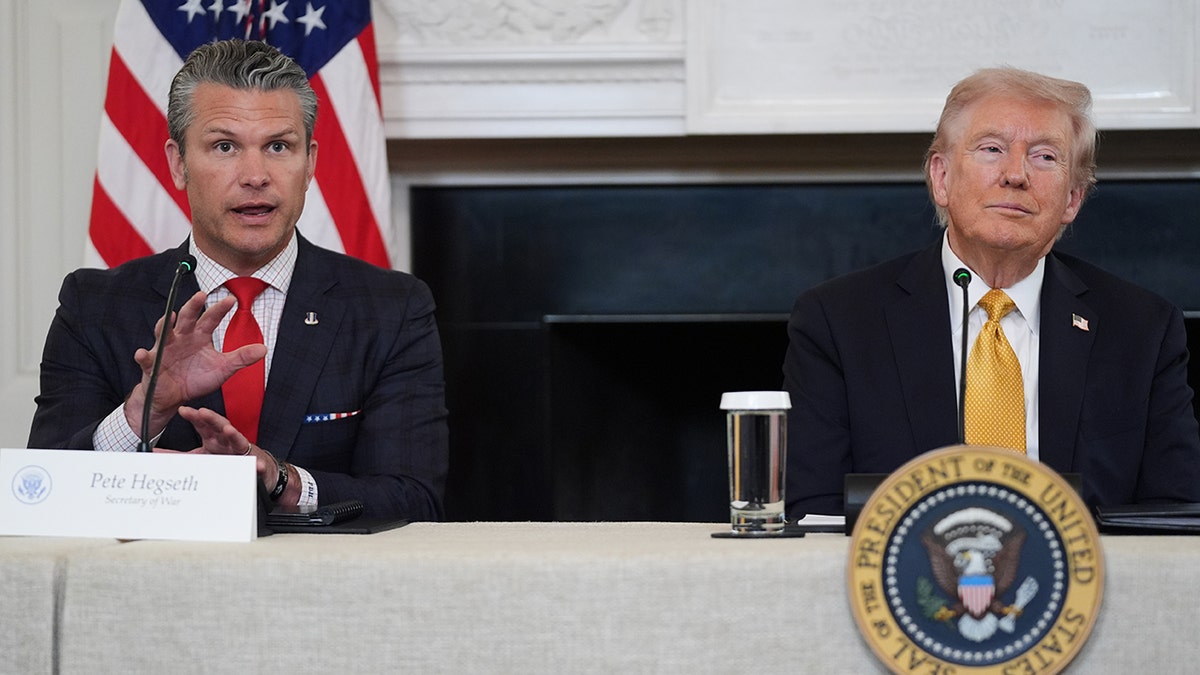
In a fiery defense, former President Donald Trump has publicly backed his Secretary of War, Pete Hegseth, forcefully denying reports of a heated clash over critical munitions shortage that are reportedly hampering the ongoing Iran War. Trump labeled such disclosures as 'treasonous statements' and vowed 'long term jail sentences' for those leaking information about US weapons stockpiles, asserting the nation holds 'massive amounts' of munitions. This comes as multiple reports suggest the US is facing significant depletion of key missile inventories, impacting military strategies against Iran. The controversy intensified after media reports detailed a tense meeting at Camp David where Trump allegedly confronted Hegseth over being misled about the dire state of US missile supplies, including Patriot and THAAD interceptors, and long-range ATACMS and Precision Strike Missiles. These weapons have been heavily used since the Iran War began in February 2026, following stalled nuclear negotiations, leading to concerns from officials and a July report by the Center for Strategic and International Studies (CSIS) highlighting critically low inventories. The perceived shortages have reportedly forced the administration to scale back potential strikes against Iran, despite ongoing, complex talks which also involve the crucial Strait of Hormuz. With Trump strongly refuting any friction with Hegseth and dismissing the munitions crisis, the focus now shifts to how this public denial will impact both the war effort and the hunt for alleged leakers within the administration. The administration maintains that defense companies are rapidly increasing production to replenish supplies, but analysts warn that restoring pre-war inventory levels for some advanced missiles could take years. The international community will be closely watching for any shifts in US military posture or the delicate Iran negotiations, especially regarding the Strait of Hormuz and Iran's nuclear program, as the credibility of US defense capabilities faces scrutiny amidst these conflicting narratives.