Taiwan Forges 'Hellscape' Drone Shield, Ramping Up Production to Deter China
Context mode is active. Hover over any highlighted term to see its definition. Click a nested term to go deeper.
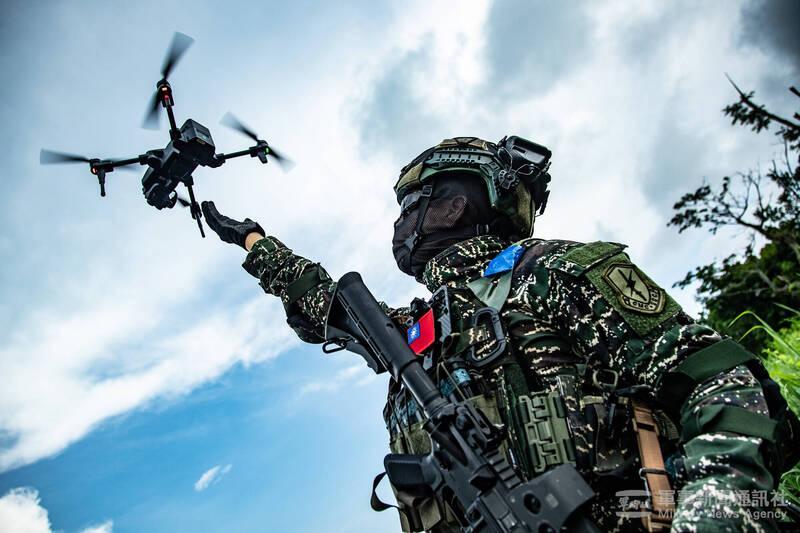
Taiwan is rapidly building vast fleets of aerial and maritime drones, adopting a 'hellscape' strategy inspired by Ukraine's battlefield success, to make any potential Chinese invasion incredibly costly and difficult. This aggressive defense push, currently being showcased in the annual Han Kuang military exercises, aims to overwhelm an invading force with a massive number of unmanned systems and munitions. The island nation is on track to produce 100,000 drones monthly by 2030, with half designated for export, marking a significant shift in its defense posture and industrial capabilities. The urgency stems from China escalating military pressure and its unwavering claim over Taiwan, with Beijing not ruling out the use of force. Taiwan strategy focuses on asymmetric warfare, leveraging inexpensive drones against a much larger military, a lesson keenly observed from the ongoing Ukraine war. While Taiwan drone exports surged to $115 million in the first three months of 2026, surpassing all of 2025's total and even seeing some units reach Ukraine via the Czech Republic, domestic funding proposals face hurdles from opposition parties citing waste concerns. Meanwhile, China People's Liberation Army (PLA) is also actively developing its own counter-drone capabilities, learning from Russian units and signaling a deepening arms race in the Indo-Pacific region. Looking ahead, Taiwan is striving to become a 'China-free drone hub,' investing heavily in domestic component manufacturing to ensure supply chain resilience during a conflict. The ongoing Han Kuang exercises are critical for integrating these new unmanned systems into Taiwan defense doctrine, practicing reconnaissance and counter-drone tactics, and enhancing urban resilience against potential attacks. The race to innovate and deploy these systems will fundamentally shape the regional power balance, pushing both sides to adapt constantly in a high-stakes technological standoff.