Indian woman combat helicopter pilot Abhilasha receives UN peacekeeping award-Secretary General terms her a “True Role Model”
Context mode is active. Hover over any highlighted term to see its definition. Click a nested term to go deeper.
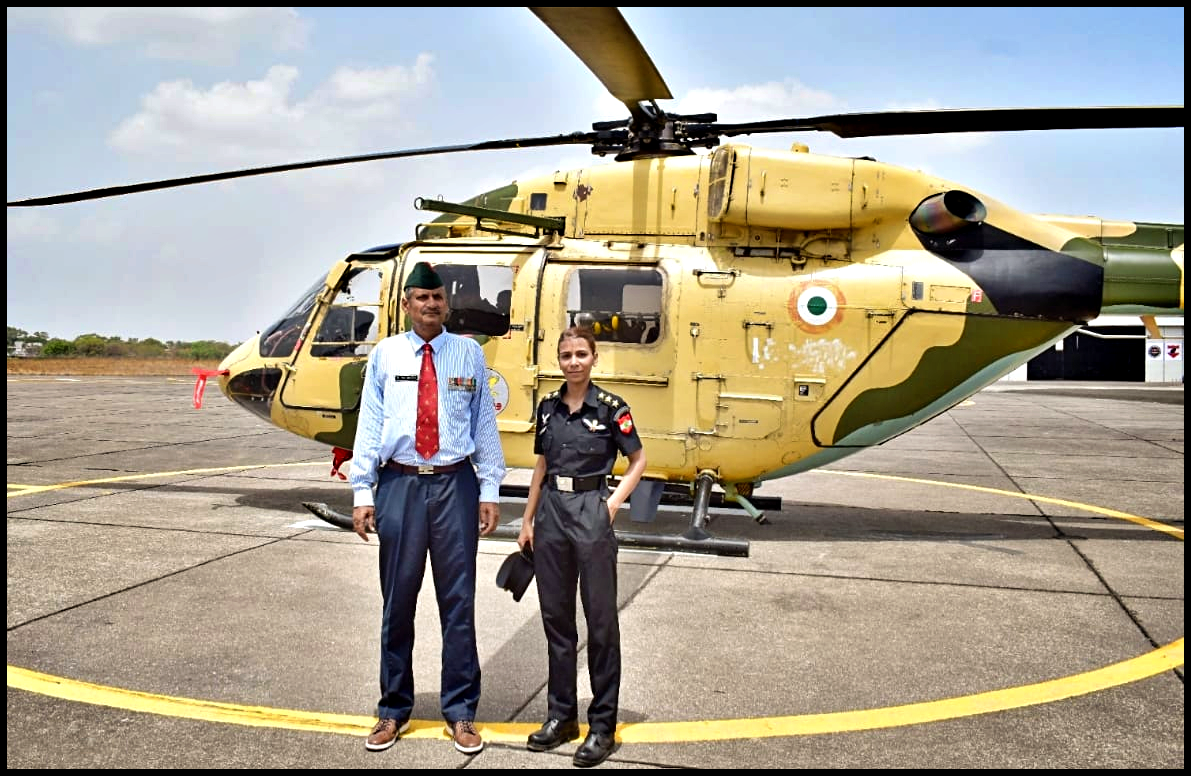
India's trailblazing Major Abhilasha Barak, the nation's first woman combat helicopter pilot, was awarded the UN Military Gender Advocate of the Year Award for 2025 on June 5, 2026, by Secretary-General Antonio Guterres at the UN Headquarters. This prestigious recognition elevates India's commitment to gender equality in global security and shines a spotlight on the evolving role of women in high-stakes peacekeeping operations, especially in volatile regions like Lebanon. Serving as the Engagement Team Commander and Gender Focal Point within the Indian Battalion of the UN Interim Force in Lebanon (UNIFIL) since June 2025, Major Barak was lauded for her exceptional leadership in integrating gender perspectives into military operations and for her extensive outreach programs benefiting over 5,000 women and girls. Her pioneering work includes spearheading 539 gender-focused field activities in just six months and introducing the AI-driven 'Lebanon Gender Initiative' to bolster protection mechanisms. This marks the third time an Indian peacekeeper has received this award, underscoring New Delhi's consistent contribution as one of the largest troop-contributing nations to UN missions, aligning with the UN ambitious Uniformed Gender Parity Strategy to increase women's representation by 2028. The honor amplifies calls for broader integration of women in combat and leadership roles across national militaries and international peacekeeping forces. With Prime Minister Narendra Modi publicly congratulating Major Barak, her achievement is expected to further inspire young Indian women to pursue defense careers, potentially accelerating India's own gender-inclusive reforms within its armed forces. Observers will be watching how this high-profile recognition translates into tangible policy shifts, both within the UN peacekeeping apparatus and among member states striving to meet gender parity targets in complex operational environments.