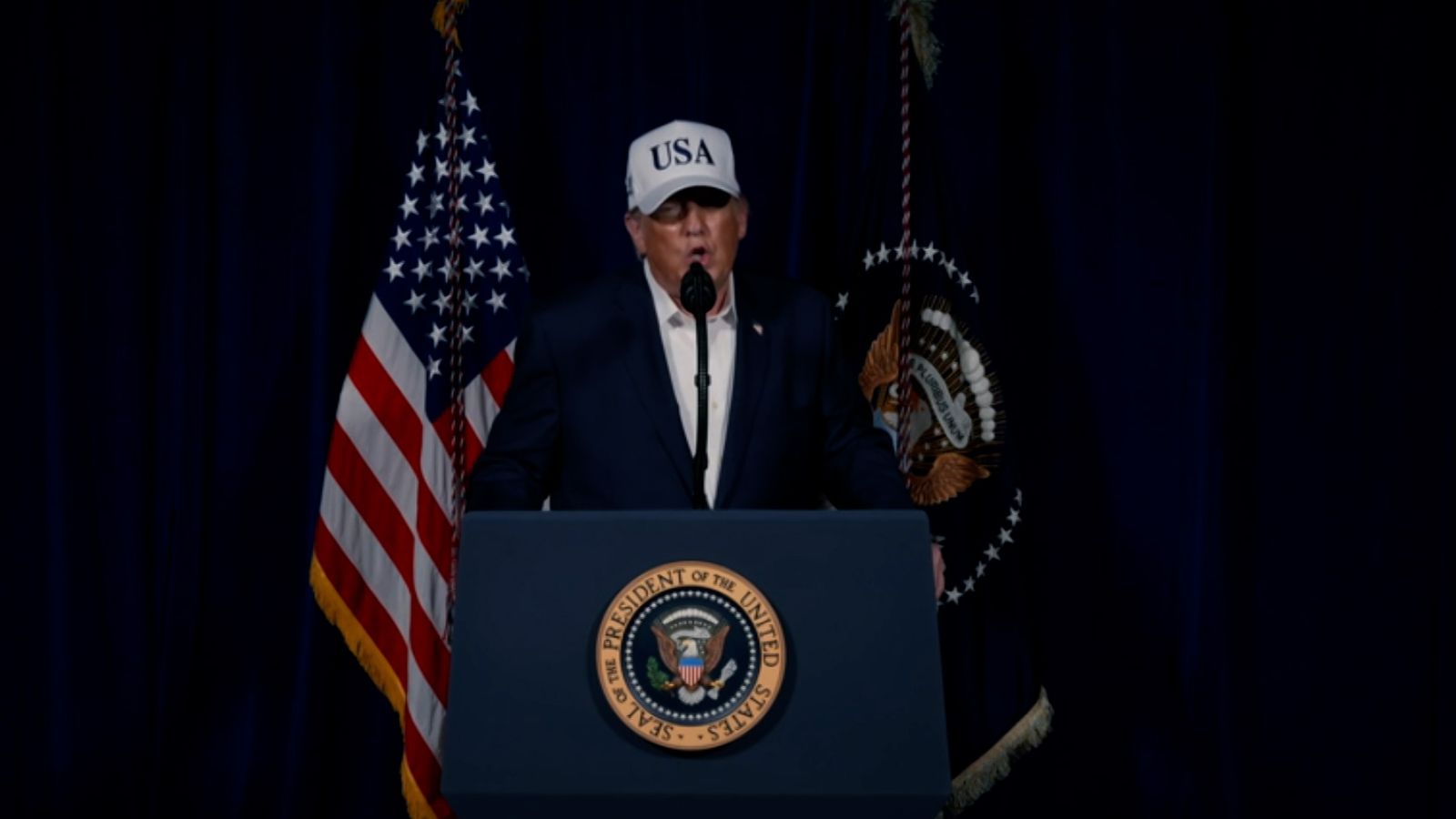
Trump says Iran admits involvement in attack on US Apache helicopter
Context mode is active. Hover over any highlighted term to see its definition. Click a nested term to go deeper.
A fragile ceasefire between the United States and Iran has shattered, pushing the region to the brink of a full-scale conflict after a US Army Apache helicopter was shot down near the strategically vital Strait of Hormuz on June 8. President Donald Trump swiftly blamed Iran for the attack, triggering a rapid and forceful US military response that has since spiraled into a dangerous cycle of tit-for-tat strikes across the Middle East. In response to the Apache incident, US Central Command (CENTCOM) launched a series of 'self-defense strikes' on June 9 and 10, targeting Iranian air defense, radar sites, and ground control stations, a move dubbed 'Operation Epic Fury' by some outlets. Tehran, denying responsibility for the helicopter downing and calling Trump's accusations a 'false pretext' for aggression, retaliated on June 11 with drone and missile attacks against US military installations in Bahrain, Kuwait, and Jordan, further escalating the three-month-old conflict that has already disrupted global energy markets and seen crude oil prices jump. As President Trump vows further aggressive action, the international community watches nervously, with a tenuous peace deal now seemingly deadlocked amidst intensified hostilities. The escalating exchanges raise urgent questions about de-escalation pathways and the immediate threat to commercial shipping through the Strait of Hormuz, a critical chokepoint for global oil supplies, as both sides appear entrenched in a dangerous military posture, jeopardizing regional stability and broader geopolitical dynamics.