DR Congo Denounces Ebola Travel Restrictions as ‘Discriminatory’
Context mode is active. Hover over any highlighted term to see its definition. Click a nested term to go deeper.
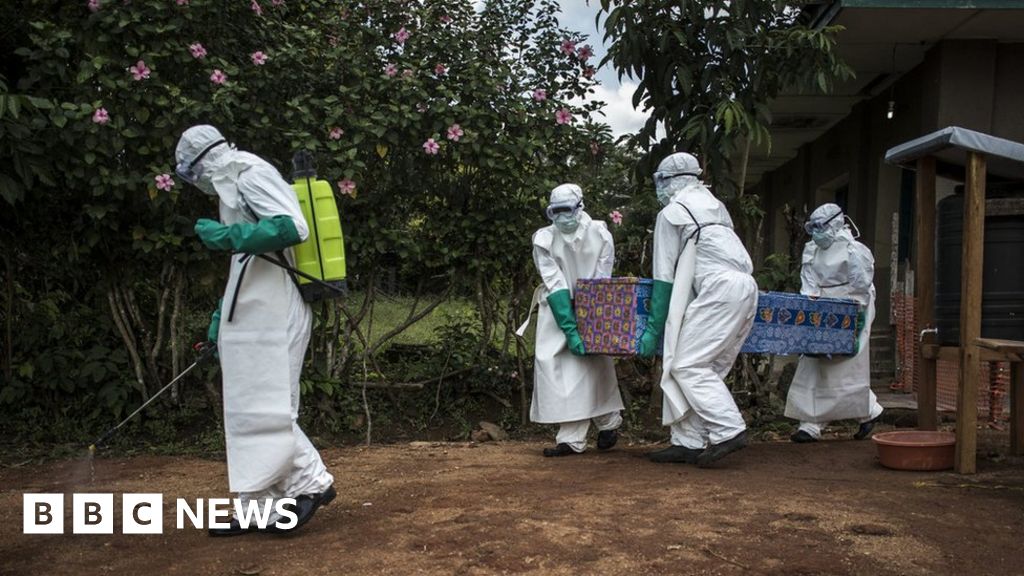
The Democratic Republic of Congo has sharply condemned recent Ebola-related travel restrictions imposed by the United States and other nations as "discriminatory" and lacking scientific justification, escalating a diplomatic row over global health responses. This protest comes as the DRC grapples with its 17th Ebola outbreak, declared a Public Health Emergency of International Concern by the World Health Organization in May 2026, involving a highly virulent Bundibugyo ebolavirus strain for which no approved vaccine or treatment currently exists. DRC Minister of Public Health, Roger Kamba, articulated the government's indignation, signaling active negotiations to overturn the bans. The bans, which include a U.S. prohibition on most non-citizen travelers from the DRC, Uganda, and surprisingly, South Sudan—despite no confirmed cases there—have drawn widespread criticism from leading international health bodies. The World Health Organization and Africa Centres for Disease Control and Prevention both argue these blanket restrictions are counterproductive, disrupting vital supply chains, undermining surveillance efforts, and fostering mistrust. Beyond the public health implications, concerns are mounting over the severe economic fallout, threatening fragile regional economies dependent on cross-border mobility and trade, as past outbreaks have demonstrated prolonged recovery periods for industries like tourism. As diplomatic efforts continue, the immediate challenge lies in fostering a coordinated, science-driven international response that prioritizes containment without penalizing affected nations. The DRC plea, backed by major African and global health agencies, underscores the urgent need for solidarity and investment in local health infrastructure over isolationist policies. The unfolding situation will test the resolve of the international community to balance national security concerns with the principles of equitable global health governance and economic stability in a crisis-prone region.