ADHD & Microdosing: Science Still Cautions as Public Explores Psychedelics
Context mode is active. Hover over any highlighted term to see its definition. Click a nested term to go deeper.
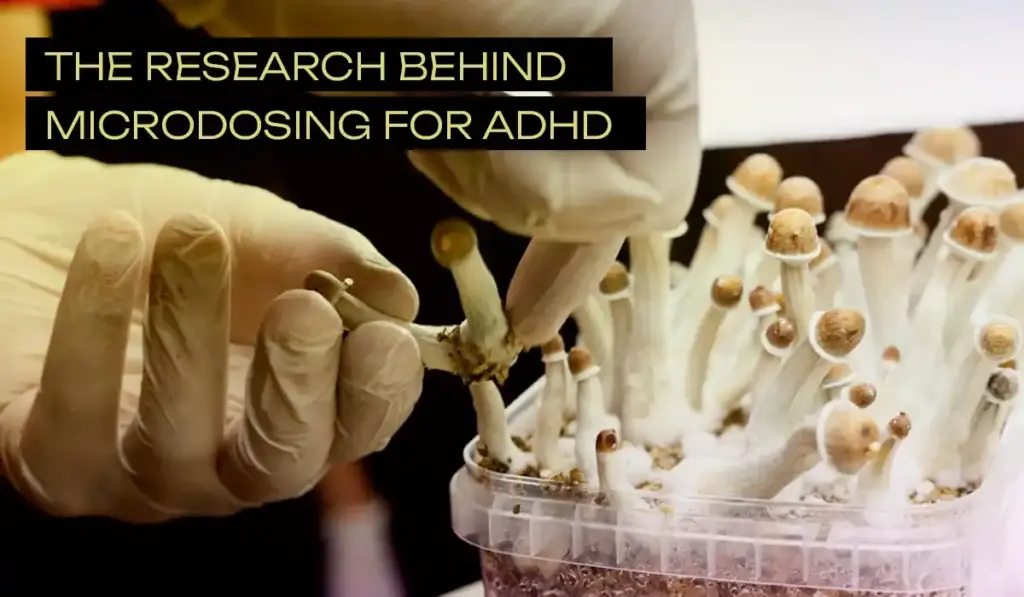
Adults with Attention Deficit Hyperactivity Disorder (ADHD) are increasingly turning to microdosing psychedelics like LSD and psilocybin, hoping for better focus and impulse control. However, new research from July 2026, including a systematic review in the International Journal of Molecular Sciences, delivers a clear message: there's very little scientific evidence to support these claims right now. One recent randomized clinical trial in March 2025 specifically found low-dose LSD no more effective than a placebo for ADHD symptoms. This rush to self-medicate comes as many individuals with ADHD feel that traditional stimulant medications either don't work well long-term, cause unwanted side effects, or are hard to access. The buzz around psychedelics is fueled by anecdotal reports and broader breakthroughs in psychedelic medicine for other serious mental health conditions, with the US FDA actively fast-tracking therapies like psilocybin for treatment-resistant depression and methylone (similar to MDMA) for PTSD following an April 2026 Executive Order. But it's crucial to understand that these accelerated approvals are not for ADHD, leaving a significant gap between public interest and proven science for this specific condition. Experts are urging extreme caution, especially given the risks for those with co-existing conditions or who are already on other medications. The scientific community emphasizes that much more rigorous, controlled clinical trials are needed to understand both the safety and effectiveness of psychedelics for ADHD. While the psychedelic landscape is changing rapidly, individuals seeking ADHD relief should prioritize reliable medical guidance, as promising non-stimulant treatments, such as Centanafadine, are also nearing FDA approval, offering a different path forward.