Africa's Hard-Won El Niño Lessons Offer Global Lifeline as 'Super' Event Looms
Context mode is active. Hover over any highlighted term to see its definition. Click a nested term to go deeper.
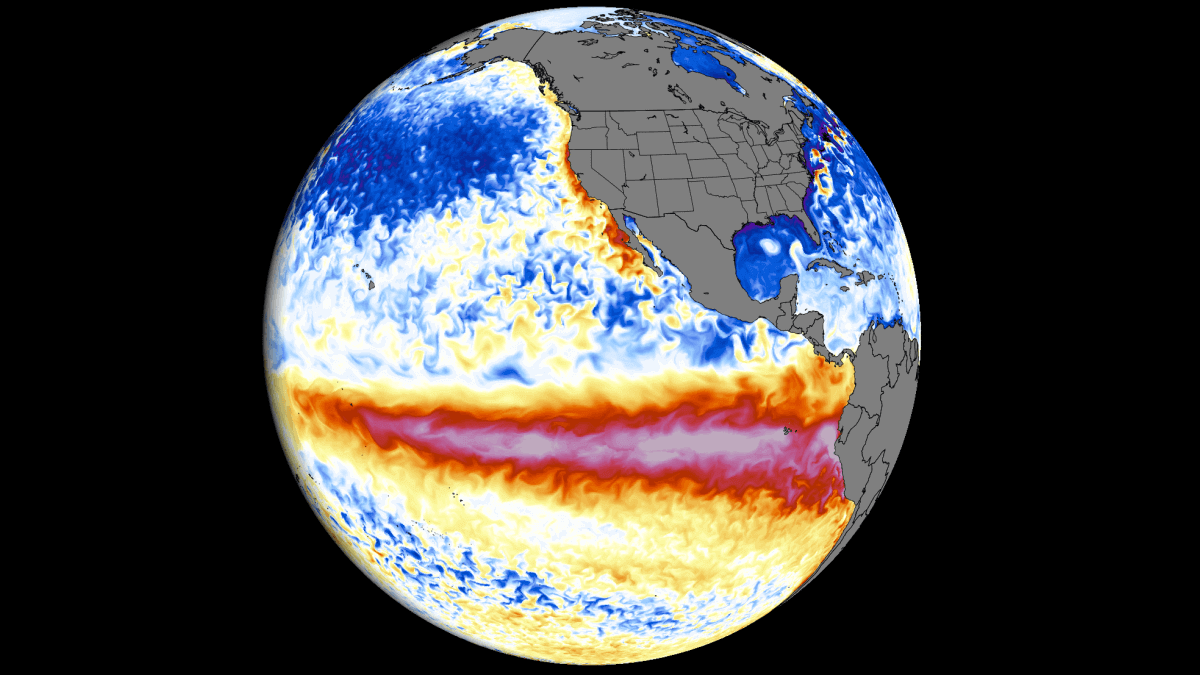
A 'Super El Niño' is rapidly developing and expected to hit peak strength between November 2026 and January 2027, with meteorologists confirming high odds of this event becoming one of the most powerful on record. This naturally occurring climate pattern, amplified by ongoing climate change, threatens to unleash widespread extreme weather, including severe droughts and catastrophic floods, on an already vulnerable world, pushing global temperatures to new highs. With global food systems already strained, the World Food Programme and the Food and Agriculture Organization are urgently appealing for anticipatory action, highlighting lessons from past El Niño events. Africa, particularly Southern Africa and the Horn, which suffered immensely from the 2015-2016 and 2023-2024 El Niños, has developed crucial strategies like early warning systems, cash transfers, and drought-resilient seeds to protect millions of people. These hard-won experiences offer a vital blueprint for other regions to minimize human and economic devastation. The global community now faces a critical, narrowing window to prepare, focusing on strengthening local resilience and deploying timely risk communication. As the World Meteorological Organization intensifies its monitoring and support, the emphasis is on acting quickly to safeguard livelihoods before the full force of this El Niño arrives, showing that investing in preparedness is far cheaper than post-disaster recovery.