Africa's Malaria Vaccine Triumph Faces Critical Challenge: Completing All Four Doses
Context mode is active. Hover over any highlighted term to see its definition. Click a nested term to go deeper.
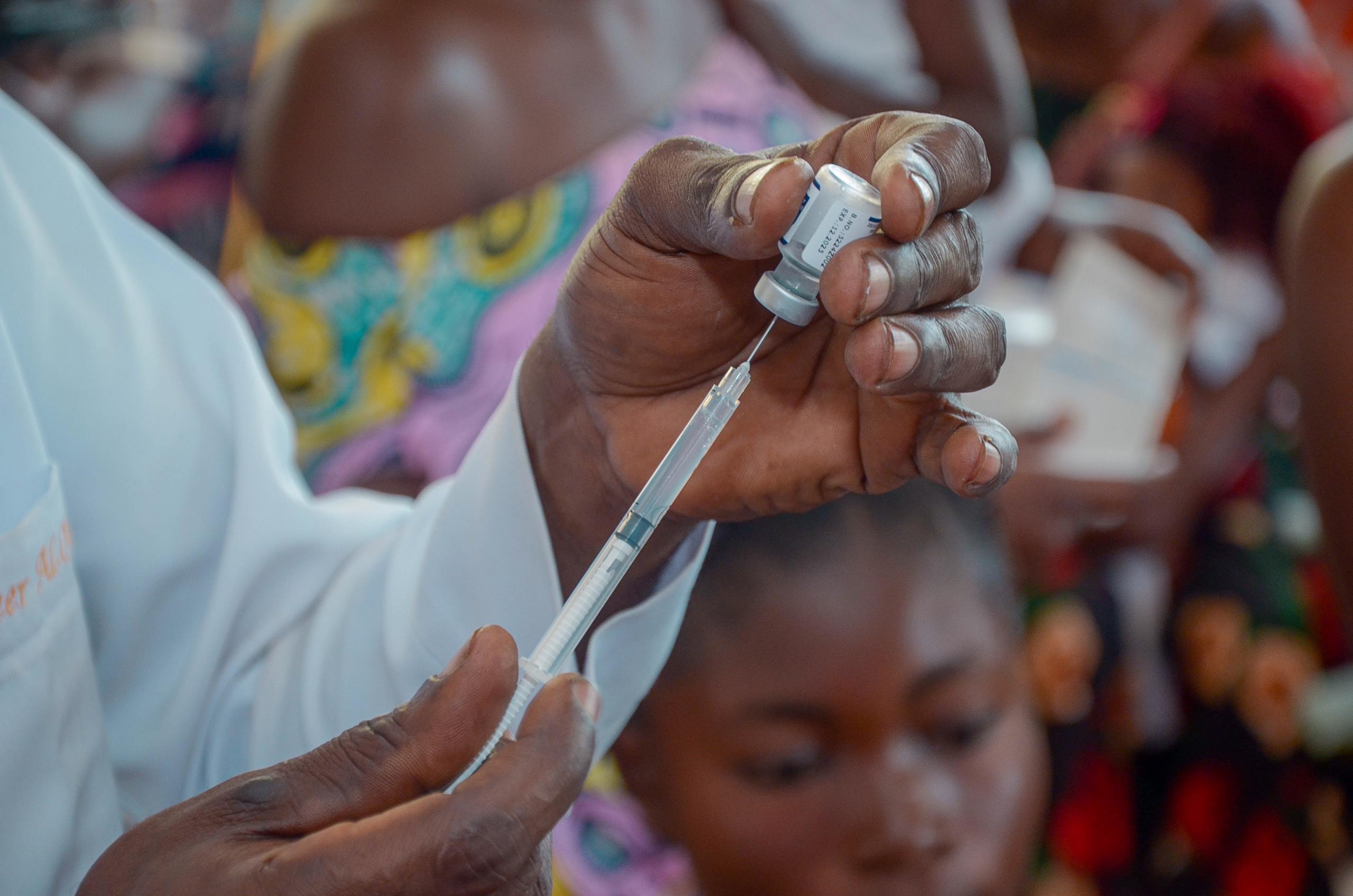
A groundbreaking malaria vaccine, now widely available across Africa, is dramatically cutting severe illness and deaths among young children. Yet, this life-saving intervention faces a significant hurdle: ensuring children complete all four recommended doses. Early data reveals a worrying trend, with nearly half of eligible children missing the crucial final booster shot, potentially undermining the vaccine's long-term protection against a disease that still claims a child's life almost every minute on the continent. This challenge isn't new; multi-dose vaccine programs across Africa have long struggled with compliance. For the malaria vaccine, specifically RTS,S/AS01 and the newer R21/Matrix-M, the problem is pronounced. Pilot programs in countries like Ghana, Kenya, and Malawi saw initial vaccination rates around 80% for the first dose, but this plummeted to 46% for the fourth dose, typically administered between 18 and 24 months of age. Factors like the long interval between doses, logistical difficulties in reaching remote clinics, and competing priorities for caregivers contribute to this significant drop-off. Despite the hurdles, health authorities, backed by the World Health Organization and Gavi, are not giving up. Campaigns like 'Big Catch-up' are underway to encourage full vaccination, and integrated health visits are being explored to deliver multiple childhood vaccines simultaneously. Researchers are also investigating single-dose malaria vaccine to simplify delivery and boost completion rates. The stakes couldn't be higher: continued vigilance and innovative strategies are vital to maximize the vaccine's potential and save tens of thousands of young lives annually across Sub-Saharan Africa.