AI Breakthrough: Brain Tumor Patients May Soon Skip Risky MRI Dye Injections
Context mode is active. Hover over any highlighted term to see its definition. Click a nested term to go deeper.
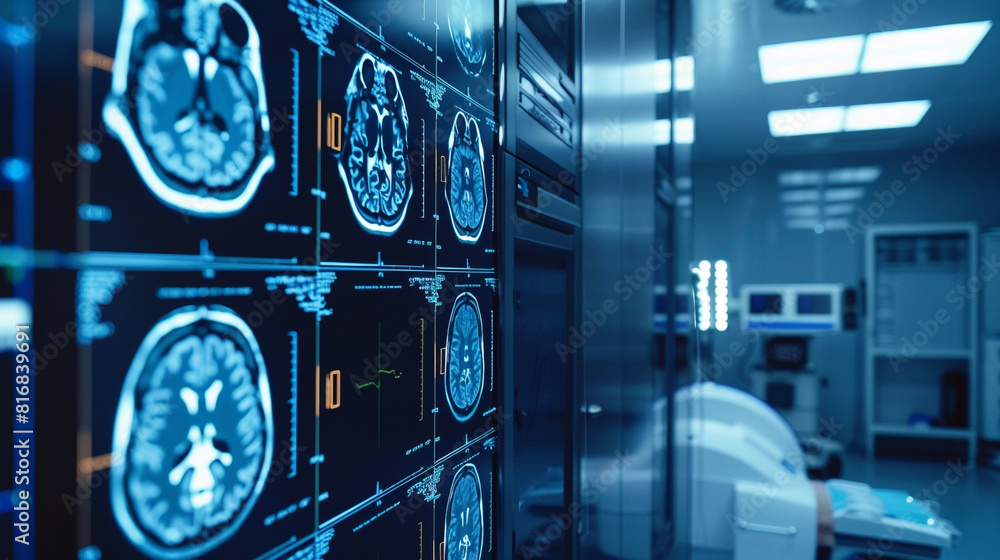
Scientists are making big strides in using Artificial Intelligence (AI) to help doctors look at brain tumour without needing a special dye injection during MRI scans. This new technology can predict which tumours will 'light up' on scans, meaning patients might not need to be injected with a substance called gadolinium anymore. This is a huge step towards making brain tumour diagnosis safer and simpler for many people. For a long time, gadolinium has been important for making MRI scans clear enough to see brain tumour, but it also has some risks. Doctors have worried about side effects like gadolinium staying in the body and a serious skin condition called Nephrogenic Systemic Fibrosis (NSF), especially in patients with kidney problems. This new AI approach is part of a bigger shift towards finding ways to diagnose illnesses that are less invasive and carry fewer risks, while also making treatment more personalized by giving doctors clearer and more objective information about the tumour. Looking ahead, research teams are pushing to refine these AI tools, with some even developing new guidelines for using AI in brain cancer care. Clinical trials are likely to test these gadolinium-free AI methods more widely, hoping to make them a regular part of how doctors diagnose and track brain tumour. This could mean faster, safer, and more accurate diagnoses, changing how we treat brain cancer in the future.