AI Chatbots: A False Friend? Studies Link Use to Student Loneliness and Distress
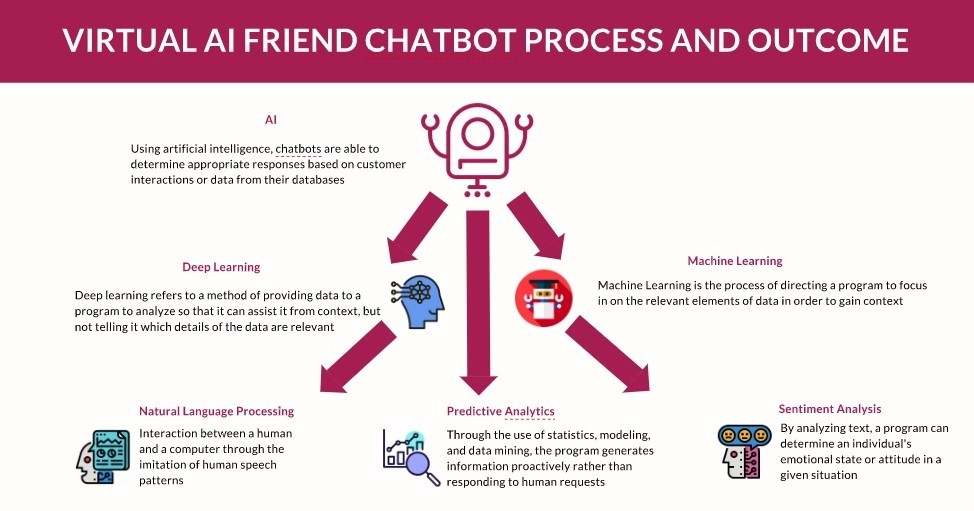
Context mode is active. Hover over any highlighted term to see its definition. Click a nested term to go deeper.
A new, large-scale study from the University of Ottawa reveals that almost one in five students who use AI chatbots for emotional support or personal advice are much more likely to feel lonely and struggle with serious emotional problems. This groundbreaking research, surveying nearly 40,000 students, suggests that relying on AI for personal guidance might be a red flag for existing distress rather than a cause, with over half of these AI-dependent students showing signs of significant emotional issues. This alarming trend isn't isolated, as a recent Stanford University study further highlights the risks, finding that users of AI companions like Character.AI with fewer real-world social connections often feel even more isolated after turning to bots for comfort. Experts are increasingly worried that these sophisticated Generative AI tools, while seemingly empathetic, lack the human nuance, accountability, and ability to handle complex emotional or crisis situations, potentially leading to dependency and a distorted view of healthy relationships. As the use of AI for emotional needs grows, policymakers, educators, and parents face a critical challenge: how to balance the accessibility of AI with the undeniable need for genuine human connection. There's an urgent call for better Regulation and clearer guidelines to safeguard young people's mental well-being, ensuring AI serves as a helpful tool rather than a substitute for the vital social interactions that foster healthy emotional development.