AI Revolutionizes Gum Disease Treatment with Smart Hydrogels, Promising Faster Healing
Context mode is active. Hover over any highlighted term to see its definition. Click a nested term to go deeper.
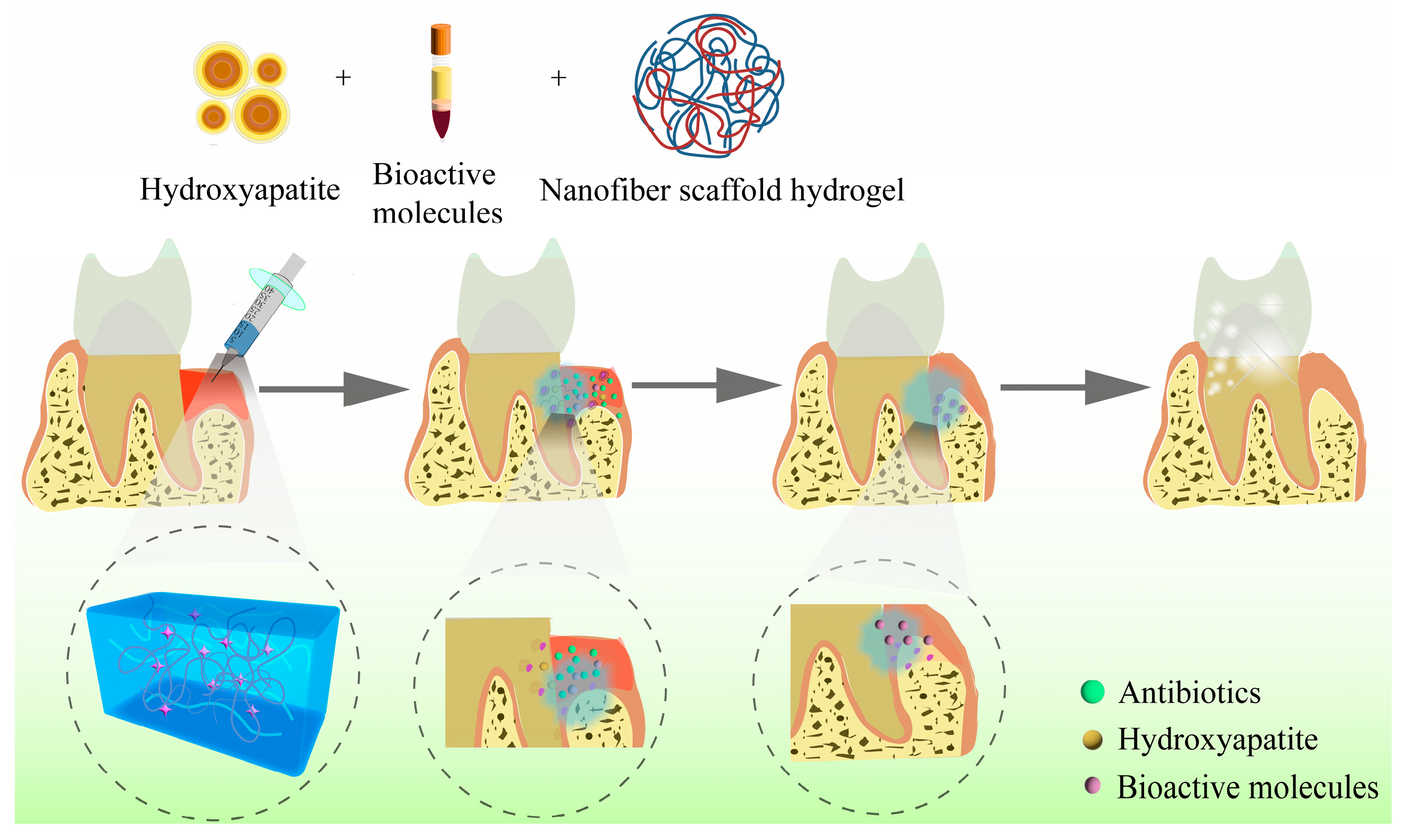
Researchers at China's Sichuan University, led by Professors Hao Xu and Hang Zhao, have achieved a significant breakthrough by using Artificial Intelligence to rapidly develop therapeutic hydrogels for treating periodontitis, commonly known as severe gum disease. Published on May 11, 2026, in the International Journal of Oral Science, their machine learning-guided strategy identified two highly effective nucleoside hydrogels, GMP and dGMP, that promise a new era of faster and more targeted oral health solutions. This marks a pivotal moment where AI predictive power is slashing the time and cost typically associated with discovering new biomaterials for medicine. Periodontitis affects millions globally, causing inflammation, bone loss, and eventually tooth loss, with current treatments often being slow and not always fully effective in tissue repair. The Sichuan University team's AI approach drastically improved upon traditional 'trial-and-error' methods, which are famously time-consuming and expensive, by computationally screening thousands of candidates. The identified GMP and dGMP hydrogels not only showed strong antibacterial action against harmful bacteria like Porphyromonas gingivalis but also demonstrated excellent biocompatibility, reduced inflammation, and promoted new tissue growth in laboratory tests, even preserving alveolar bone in mouse models, matching the efficacy of standard antibiotics. This groundbreaking research extends beyond just gum disease, offering a powerful blueprint for accelerating biomaterial discovery across many medical fields, including drug delivery and regenerative medicine. The development could pave the way for personalized medicine, where treatments are custom-designed for individual patient needs. As more data becomes available and AI models get smarter, we can expect even more precise and effective biomaterials, hinting at a future where AI transforms how we heal and repair tissues throughout the body, making dental and medical care more efficient and patient-focused.