AI Trade Reverses: Global Stocks Plummet as Investors Rethink Tech Valuations
Context mode is active. Hover over any highlighted term to see its definition. Click a nested term to go deeper.
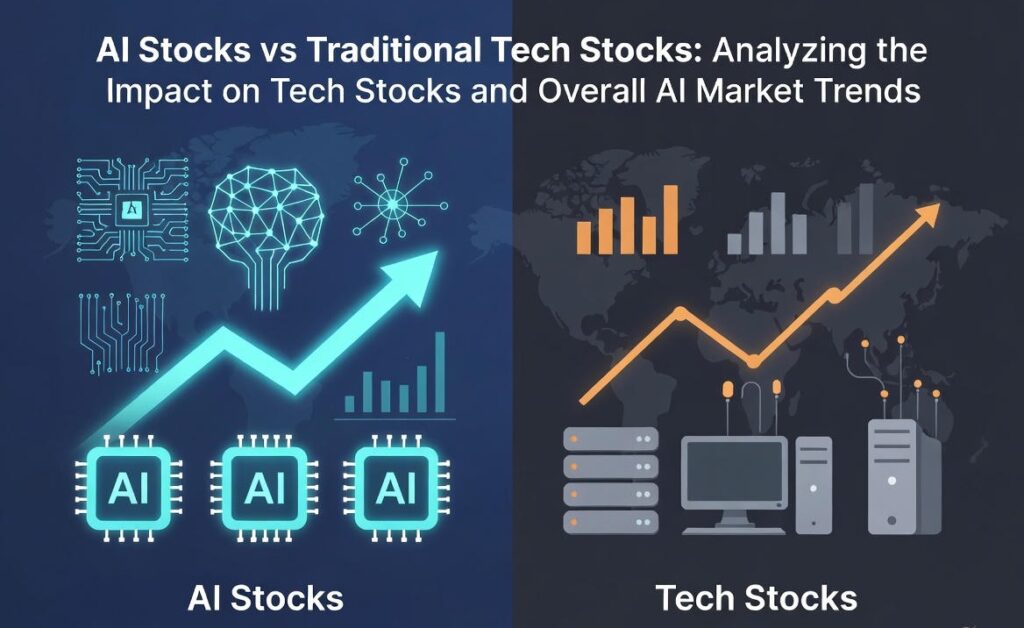
Global stock markets are facing a sharp downturn today, with tech and semiconductor shares leading the plunge as the once-unstoppable 'AI trade' goes into reverse. Major indices like the S&P 500 and Nasdaq Composite are significantly down, impacting markets across Asia and Europe, wiping out an estimated $1.3 trillion in global technology stock value. This sudden investor pullback signals growing worries about the sky-high valuations of companies deeply tied to artificial intelligence. Driving this reversal are deep-seated valuation concerns, with many questioning if the promised profits from AI can truly justify current stock prices, especially after a period of intense growth. The semiconductor industry, a key part of the AI boom, is at the heart of the sell-off, with major players like Nvidia, Micron Technology, and SK Hynix seeing significant drops. Even Taiwan Semiconductor Manufacturing Co. (TSMC) saw its stock fall despite strong earnings, while Apple surprisingly surpassed Nvidia as the world's most valuable company. Furthermore, there's a clear rotation happening: investors are shifting away from these crowded tech positions towards more defensive sectors, influenced by persistent inflation worries, rising oil prices due to ongoing geopolitical tensions, and central banks like the Federal Reserve maintaining a hawkish stance. Looking ahead, market participants will be closely watching for any signals from central banks on interest rates and monitoring the trajectory of energy prices, which continue to fuel inflation concerns. This widespread tech correction forces a re-evaluation of the AI investment landscape, prompting questions about whether this is a temporary dip in a long-term growth story or the beginning of a more fundamental shift in market leadership. The shift in AI spending from just chips to broader infrastructure, like liquid cooling and custom chips, also suggests a maturing market.