Airbus Wants Near-10,000 Mile Nonstop Flights, And This Is The Plane To Do It
Context mode is active. Hover over any highlighted term to see its definition. Click a nested term to go deeper.
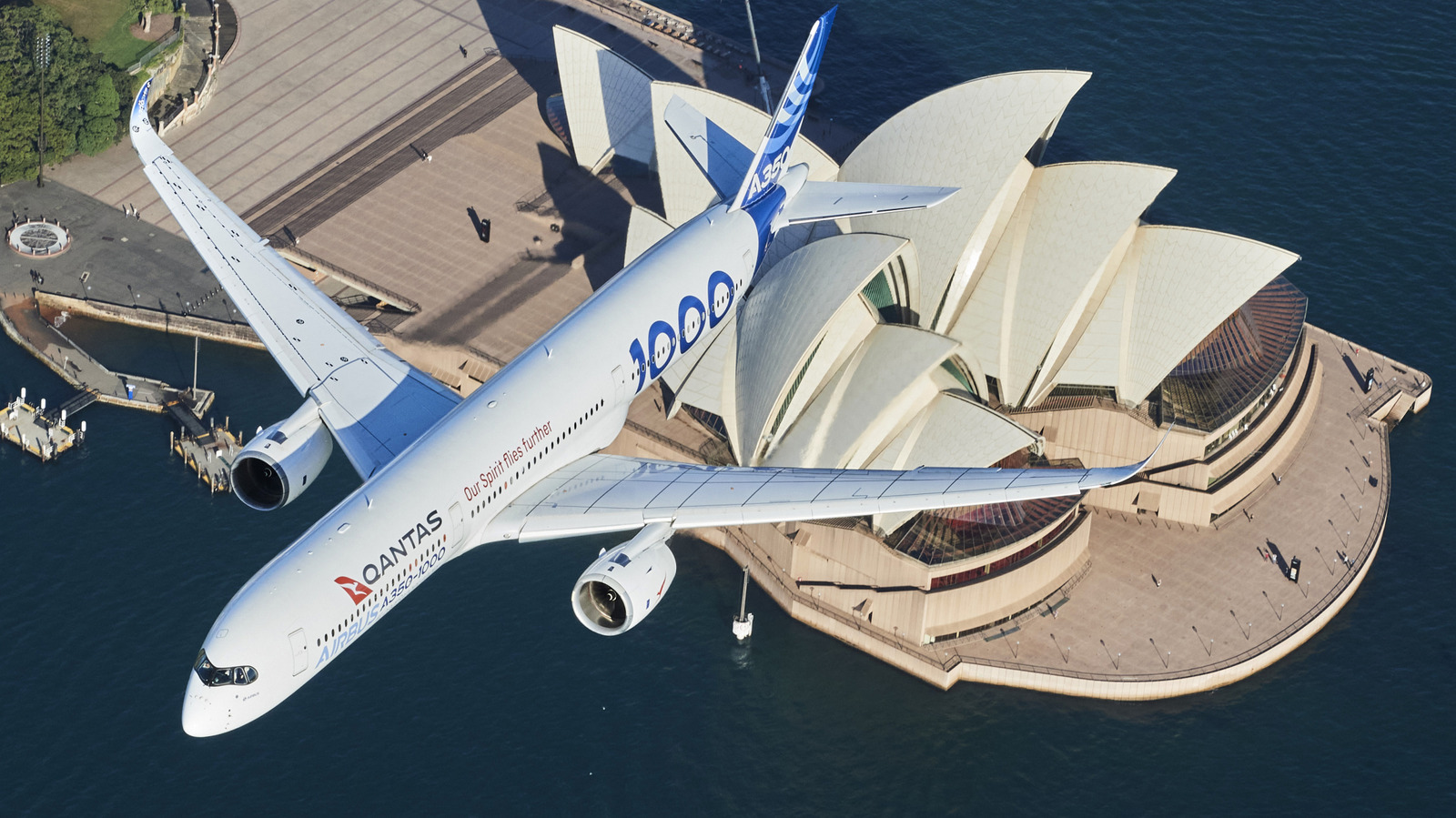
Airbus and Qantas just pulled back the curtain on aviation's next big leap: the A350-1000ULR, designed to conquer routes stretching nearly 10,000 nautical miles and lasting up to 22 hours. The first test flight of this ultra-long-range jet occurred in early June 2026, marking a critical step towards launching the world's longest nonstop commercial services from Sydney to London and New York by late 2027. This development promises to reshape global travel, cutting hours off journeys and reimagining the passenger experience for extreme distances. This monumental achievement, spearheaded by Qantas 'Project Sunrise' challenge initiated in 2017, directly addresses Australia's 'tyranny of distance' by finally connecting its east coast with Europe and North America without stops. The Airbus A350-1000ULR achieves its extended reach through key modifications, notably an additional Rear Centre Tank (RCT) boosting fuel capacity by 20,000-24,000 litres, and an increased Maximum Take-Off Weight (MTOW). To ensure passenger well-being on these marathon journeys, Airbus and Qantas are focusing heavily on bespoke cabin design, featuring a dedicated 'Wellbeing Zone' for movement, reduced seating (238 passengers) for greater space, and optimized lighting and cabin pressure to mitigate severe jet lag. Meanwhile, rivals like Boeing continue to refine their own long-range offerings, intensifying the competition for the burgeoning ultra-long-haul market. With tickets for the Sydney-London nonstop service going on sale in February 2027 ahead of an October 2027 launch, the aviation industry is keenly watching how passengers adapt to these unprecedented flight durations. The ongoing two-month aircraft certification campaign by the European Union Aviation Safety Agency (EASA) is crucial, ensuring all modifications, including a new galley air cooling system, meet stringent safety standards. Success here could trigger a wave of new point-to-point routes globally, fundamentally altering airline network strategies and pushing further innovations in fuel efficiency and inflight comfort for the next generation of travelers.