AI's Future Divided: US and China Clash at UN Over Global Regulation
Context mode is active. Hover over any highlighted term to see its definition. Click a nested term to go deeper.
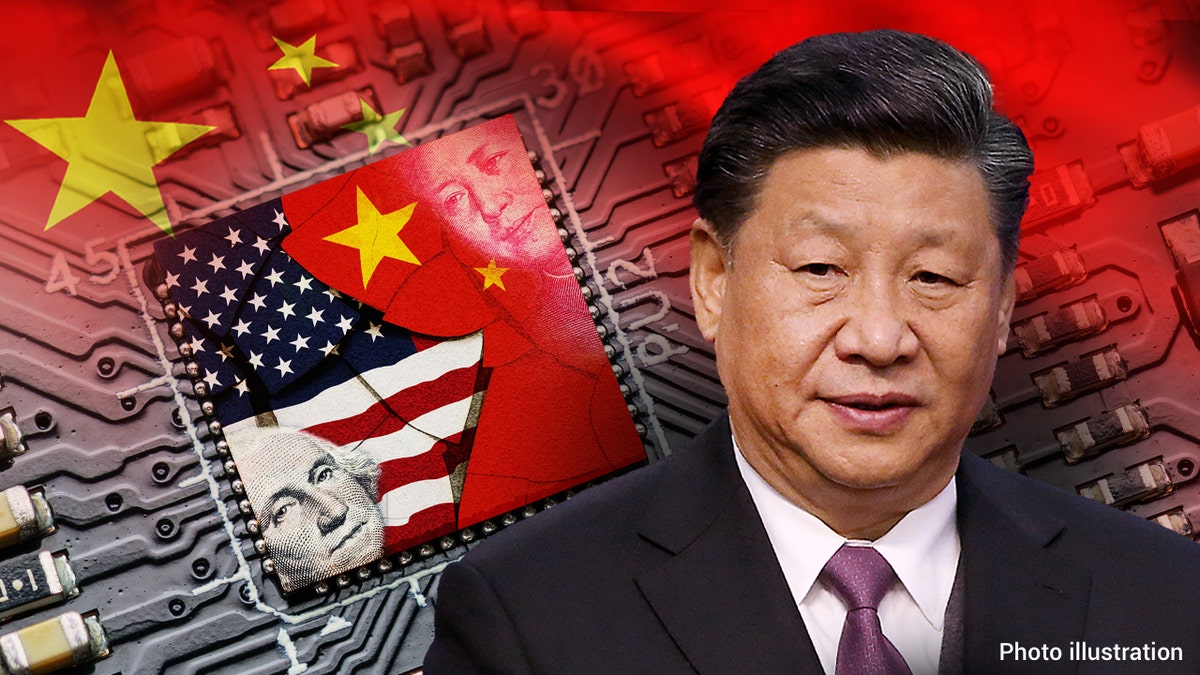
The United Nations Security Council just saw a sharp clash over how to control Artificial Intelligence, with the US and China laying out wildly different ideas for its future. While top AI company leaders warned the UN of AI's dangers, US President Donald Trump rejected global efforts to regulate the fast-moving technology, even pushing to rename it 'super intelligence.' On the other side, China urged for worldwide cooperation, insisting AI should benefit everyone, especially developing countries, and not just a few rich nations. This deep disagreement highlights the growing tech rivalry between the two superpowers. The US wants to boost innovation, using tools like export controls on important tech like semiconductors, and generally avoids broad federal AI laws, preferring market freedom. In contrast, China champions a UN-led global rule-making system, actively building its own specific AI rules domestically, and recently launched the World Artificial Intelligence Conference Organization (WAICO) to include many countries from the Global South. This high-stakes debate at the UN comes as President Trump also held talks with Chinese President Xi Jinping in Washington, where AI safety mechanisms were reportedly on the agenda alongside trade issues. The differing visions mean that creating unified global rules for AI will remain a huge challenge. With the UN Secretary-General António Guterres and the Independent International Scientific Panel on AI pushing for a strong international framework to manage AI risks, the world is watching to see if global collaboration can overcome national rivalries. The outcome will shape how this powerful technology is developed, used, and governed for years to come.