Albania Rocked: Violent Protests Demand PM Rama's Ouster Amidst Corruption Claims
Context mode is active. Hover over any highlighted term to see its definition. Click a nested term to go deeper.
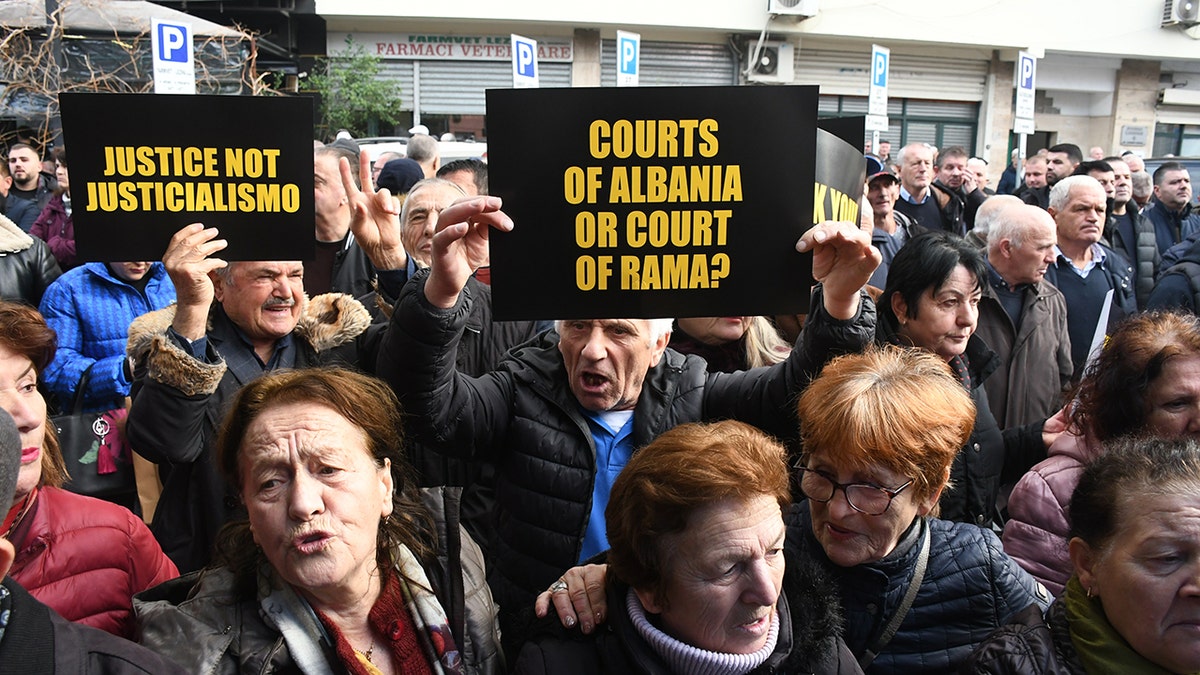
Albania capital, Tirana, has been gripped by a third consecutive night of violent anti-government protests, with demonstrators clashing fiercely with riot police. Thousands are demanding Prime Minister Edi Rama resignation, citing deep frustrations over poor university conditions, rising education costs, and widespread corruption. The escalating unrest has seen government buildings, banks, and businesses damaged, with at least one building reportedly set ablaze, while police deployed tear gas and water cannons, leading to numerous injuries and arrests. The student-led demonstrations have tapped into a broader wave of discontent simmering across the Balkan nation, fueled by allegations of government graft and perceived economic stagnation. These recent clashes also intertwine with a long-running 'Flamingo movement' opposing a controversial luxury resort project on Albania southern coast, linked to Jared Kushner, which has become a flashpoint for wider anti-corruption sentiments. Despite the intensifying violence and calls for a transitional technical government, Prime Minister Rama remains defiant, insisting that he holds a strong mandate from last year's elections and that governments are changed through democratic processes, not street protests. As the situation remains volatile, with protests spreading to other Albanian cities, all eyes are on how the government will respond to the escalating demands. The persistent instability poses a significant challenge for Albania, especially as it actively pursues its ambitious goal of European Union membership, with ongoing negotiations aiming for accession by 2030. The international community is closely monitoring the events, underscoring the delicate balance between the right to protest and maintaining public order, critical for a nation on the path to EU integration.