Albania's Streets Erupt: PM Rama Defies Resignation Calls Amid Intensifying Protests
Context mode is active. Hover over any highlighted term to see its definition. Click a nested term to go deeper.
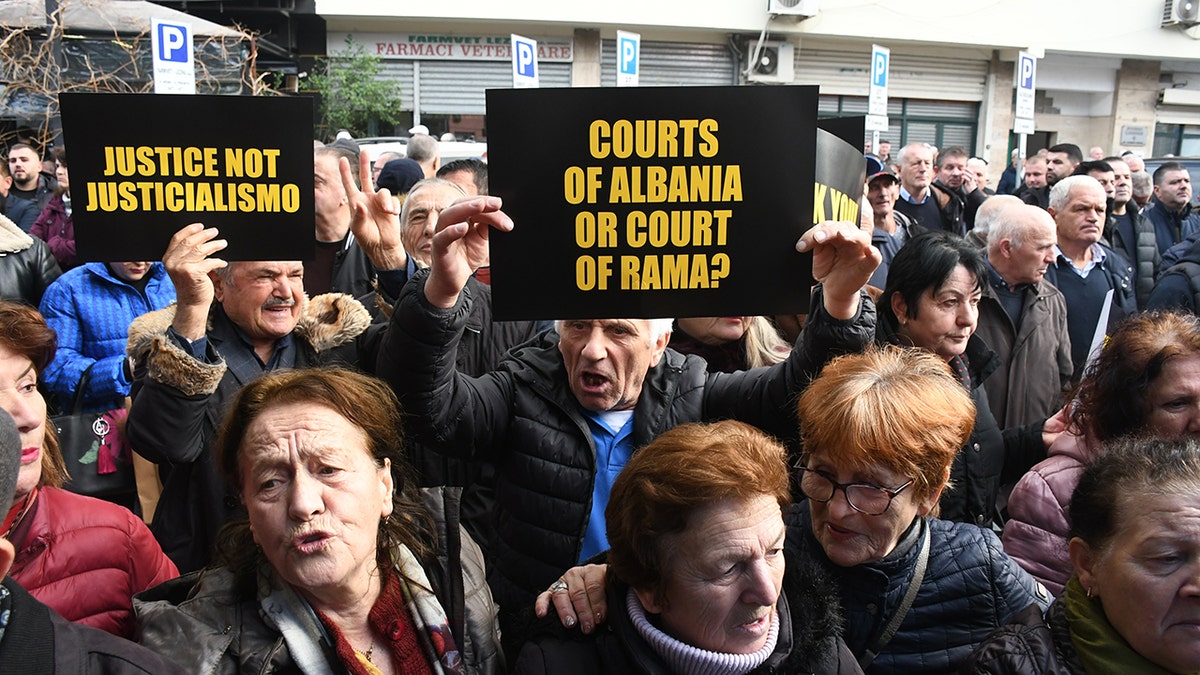
Albania capital, Tirana, has plunged into chaos as anti-government protests, led largely by students, dramatically intensified over the past week, with demonstrators clashing violently with police. Prime Minister Edi Rama has firmly rejected calls for his resignation, even as protesters demand fundamental changes to the country's governance and accuse his administration of widespread corruption. This escalating unrest has seen streets littered with burning debris and government buildings targeted, marking a severe challenge to Albania political stability. The current wave of demonstrations, which began as peaceful opposition to a luxury resort project linked to Jared Kushner, quickly broadened into a general outcry against high tuition fees, poor public services, and deep-seated corruption allegations. The opposition Democratic Party has seized on the crisis, demanding a technocratic government and fresh elections amidst allegations of irregularities in the 2025 parliamentary vote and recent corruption scandals involving Deputy Prime Minister Belinda Balluku. Rama, in turn, claims the protests are politically motivated and threaten Albania crucial path toward European Union accession. With both sides showing little willingness to back down, the immediate future points to continued confrontation, despite calls for dialogue from academics and international bodies like the European Commission. Police have already deployed tear gas, water cannons, and even rubber bullets against protesters, leading to numerous injuries and arrests. The ongoing unrest tests Albania democratic institutions and could significantly delay its European aspirations, leaving many to wonder how deeply this political crisis will impact the nation's stability.