AMD's 'Different Path': Lisa Su Unveils Full-Stack AI Strategy to Challenge Nvidia
Context mode is active. Hover over any highlighted term to see its definition. Click a nested term to go deeper.
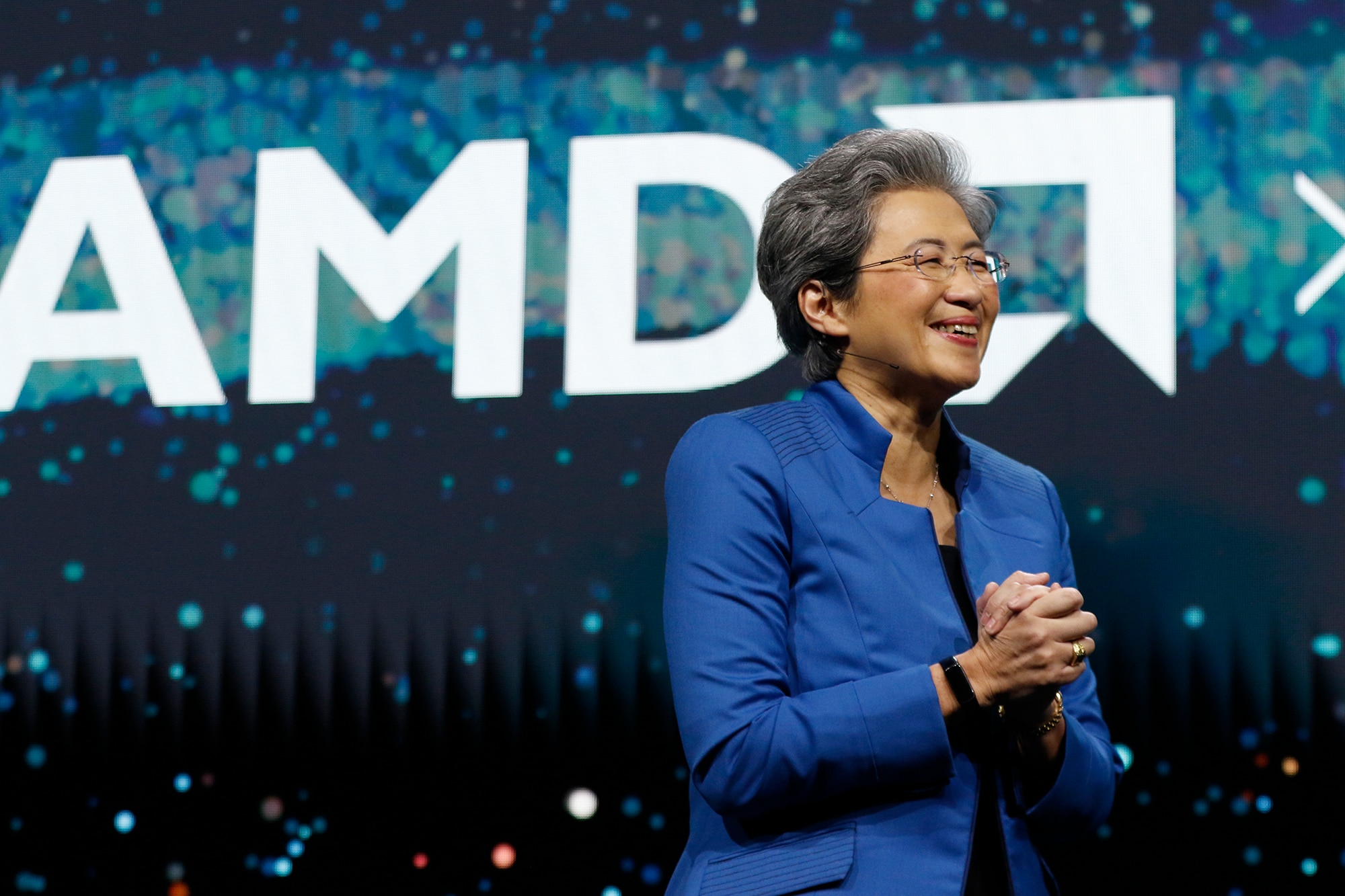
AMD Chair and CEO Dr. Lisa Su just fired a major salvo in the high-stakes AI arms race, outlining a 'different path' to AI compute at scale during the Advancing AI 2026 event in San Francisco this week. The chip giant unveiled a comprehensive, full-stack strategy spearheaded by its new AMD Helios rack-scale AI platform and a robust lineup of Instinct MI400 series GPUs and 6th Gen EPYC 'Venice' CPUs, directly challenging Nvidia entrenched dominance in the rapidly expanding AI hardware market. This bold move comes as the AI industry sees a critical shift in compute demand, with Dr. Su projecting that by 2026, approximately 60% of global AI compute capacity will be dedicated to inference workloads, especially for emerging agentic AI systems that demand both powerful GPUs and orchestral CPUs. AMD strategy hinges on an open ecosystem, emphasizing its ROCm.ai software platform as a direct alternative to Nvidia proprietary CUDA, aiming to offer developers flexibility and avoid vendor lock-in. The company has already secured significant commitments from industry titans like Anthropic, OpenAI, and Meta, who are set to deploy AMD solutions for their large-scale AI infrastructure. As deployments of the Helios platform are slated to begin in late 2026, the coming months will be crucial for AMD to validate its performance claims and mature its open software stack against Nvidia established lead. The company's focus on a diverse portfolio, from data center to edge AI, signals a long-term play to capitalize on the increasing ubiquity of AI, positioning itself as a credible second source for AI hardware. The intensifying competition promises to reshape the AI infrastructure landscape, offering enterprises more choice but also demanding careful evaluation of evolving platform capabilities.