AMD's X3D CPUs aged so well that gamers won't upgrade, and that's a nightmare for AM5
Context mode is active. Hover over any highlighted term to see its definition. Click a nested term to go deeper.
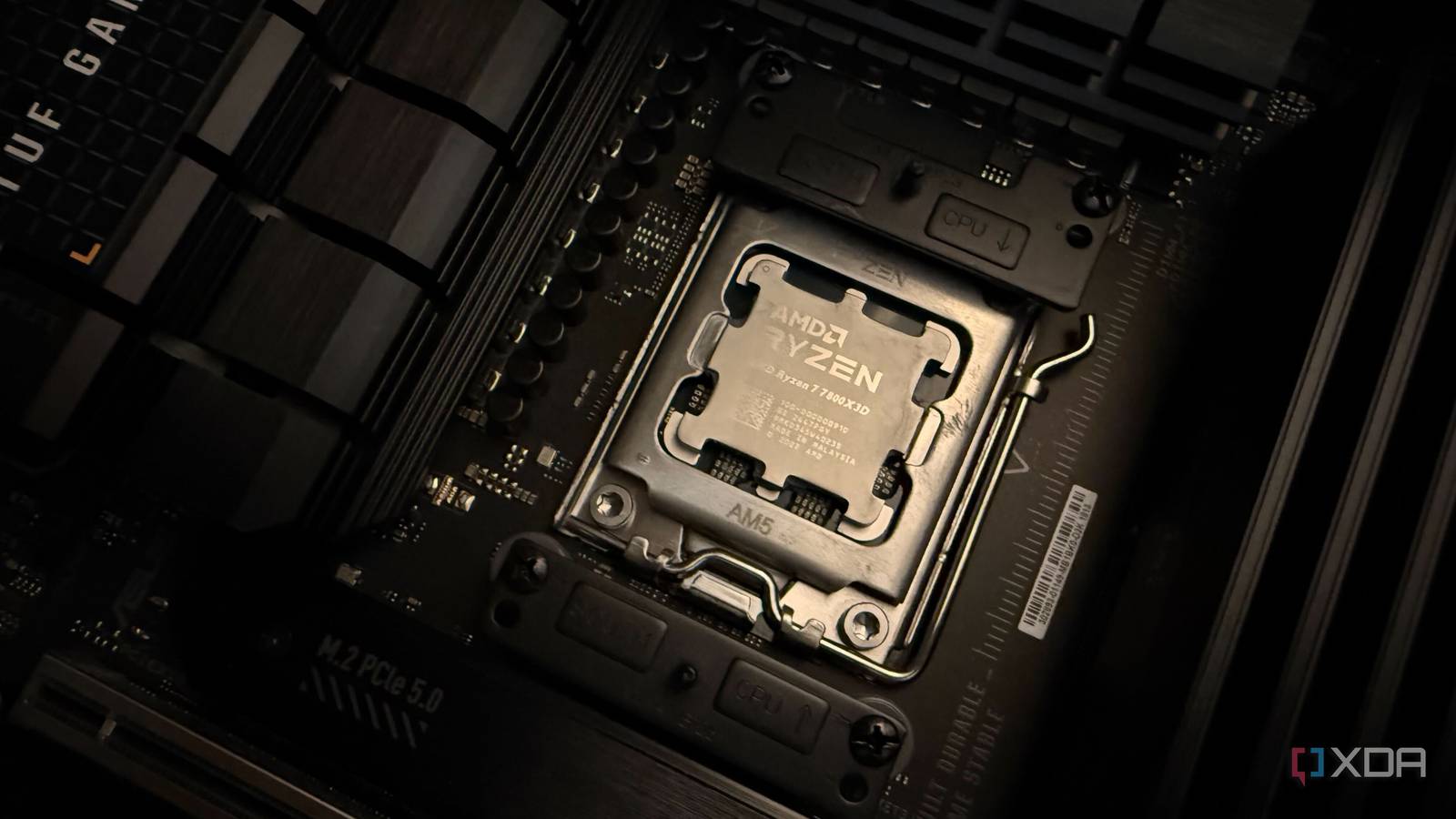
AMD is grappling with a self-inflicted challenge: the enduring prowess of its AM4-based X3D CPUs, particularly the Ryzen 7 5800X3D, is significantly dampening demand for its newer, more expensive AM5 platform. Enthusiast gamers, typically first adopters, are finding their four-year-old chips still deliver top-tier performance, making the substantial investment in a new motherboard, DDR5 RAM, and a Zen 4 or upcoming Zen 5 AM5 CPU a tough sell. This "good enough" paradox threatens to stall AMD platform transition and impact its high-margin CPU sales. The stakes are high as AMD pushes its Zen 5 architecture, with a new generation of X3D chips anticipated later in 2026. The company poured resources into AM5, designed for future-proofing with PCIe Gen 5 and DDR5, but adoption remains slower than projected. While Intel current Arrow Lake and upcoming Panther Lake desktop offerings provide competition, their gaming performance has struggled to consistently unseat the X3D king. AMD needs to articulate a compelling value proposition that transcends raw frames per second, showcasing significant advancements in other areas like AI accelerators or multithreaded performance to justify the full platform upgrade cost. Industry observers are now watching whether AMD will resort to aggressive pricing strategies for its Zen 5 X3D chips or if a truly revolutionary performance leap will finally break the upgrade inertia. The alternative is a protracted transition period, with the AM4 platform continuing to dominate market mindshare and revenue, delaying the full realization of AMD AM5 investments. The looming question for Q3 2026 is whether AMD can out-innovate its own past success.