American Jewish Identity Unravels: Zionism's Grip Weakens Amidst Generational Divide and Gaza Fallout
Context mode is active. Hover over any highlighted term to see its definition. Click a nested term to go deeper.
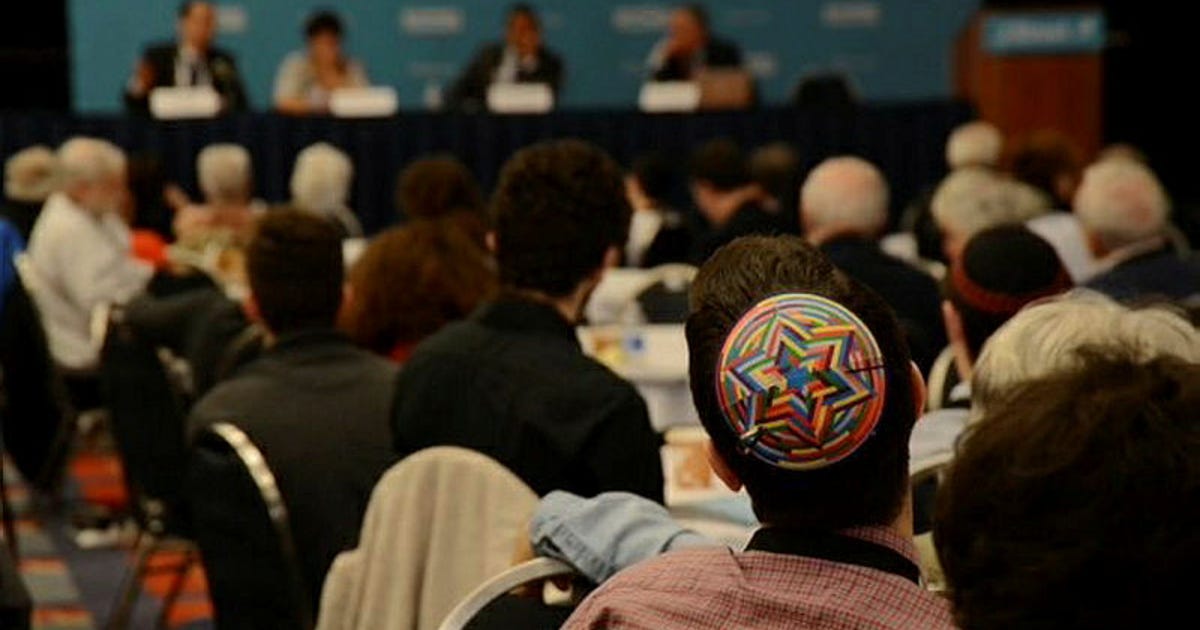
A groundbreaking AP-NORC survey from July 2026 reveals a startling shift: a significant number of American Jews, particularly younger generations and those with secular affiliations, are actively disengaging from Zionism and feel little emotional attachment to Israel. This marks a profound departure from the long-held consensus that once inextricably linked Jewish identity with unwavering support for the Jewish state, accelerated by the ongoing Israel-Hamas conflict. The traditional 'Zionist consensus,' solidified after the 1967 Six-Day War, is crumbling under the weight of generational changes and Israel's rightward political trajectory, notably under Prime Minister Benjamin Netanyahu leadership. While religious Jews generally maintain a strong connection, secular and younger American Jews are increasingly critical, with many viewing Israel's actions in Gaza as unjustified or even genocidal. This chasm is widening the gap between mainstream Jewish organizations, historically staunch supporters of Israel, and a growing chorus of progressive voices like Jewish Voice for Peace, who actively mobilize against Israeli government policies. This 'quiet divorce' has significant implications for future US-Israel relations and American Jewish political influence, particularly as groups like J Street attempt to bridge the divide by advocating for a pro-Israel, pro-peace stance that allows for criticism of Israeli government policies. The growing fragmentation means American Jewish organizations can no longer speak with a single voice on Israel, forcing a re-evaluation of advocacy strategies and raising questions about the community's collective priorities amid rising concerns about antisemitism.