America's Fertility Crisis Deepens: Society Grapples with Fewer Babies and Big Questions
Context mode is active. Hover over any highlighted term to see its definition. Click a nested term to go deeper.
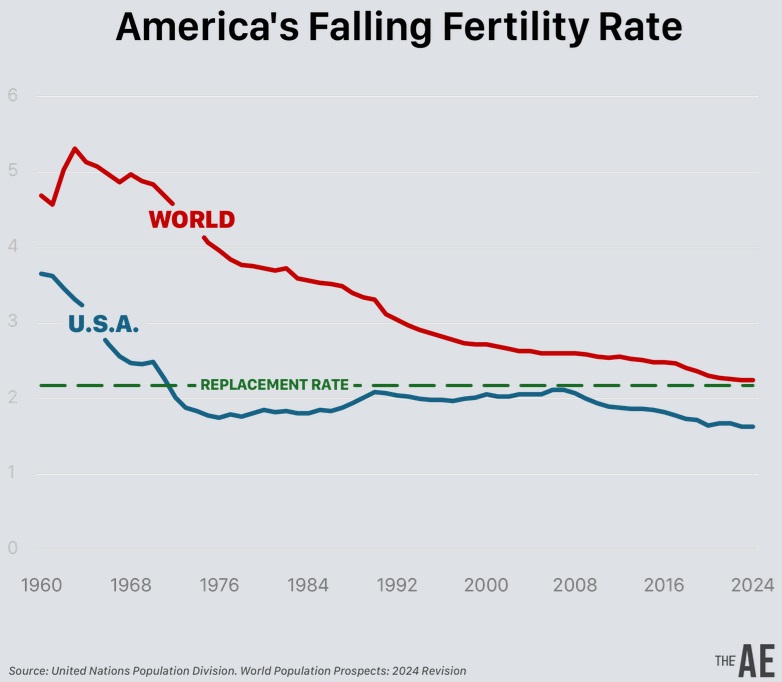
The United States is facing a deepening 'fertility crisis' as the nation's birth rate continues its nearly two-decade decline, hitting new record lows in 2025. The General Fertility Rate (GFR) dropped to 53.1 births per 1,000 women of childbearing age last year, a 1% fall from 2024, signaling profound shifts in American family life and posing significant challenges for society's future. Experts point to a mix of economic pressures, changing social priorities, and even climate anxieties as key drivers, prompting urgent discussions among policymakers on how to respond. The ongoing decline means the Total Fertility Rate (TFR) remains well below the Replacement Level Fertility needed to keep the population stable without immigration, reaching a historic low of 1.60 in 2024. This trend, which began around the 2007 Great Recession, is not just a statistical blip; it reflects younger generations increasingly delaying or opting out of parenthood due to high childcare costs, career ambitions, and a lack of supportive societal structures. The ripple effects are already being felt, with concerns mounting over an aging population, a shrinking workforce, and potential strains on crucial social programs like Social Security and Medicare. In response, federal leaders are actively exploring policy solutions, with the Trump administration considering ideas like 'Baby Bonuses' – direct cash payments of up to $5,000 for new mothers – and tax-advantaged 'Trump accounts' for newborns. However, critics argue these one-off payments might not tackle the core issues, pushing instead for comprehensive family-friendly policies such as expanded Child Tax Credits, Paid Family Leave, and more affordable childcare. The conversation, as highlighted by Abby McCloskey 'No More Sidewalks' podcast and research from thinkers like Christine Emba at the American Enterprise Institute, suggests that addressing this crisis will require a multi-faceted approach, moving beyond simple financial incentives to reshape cultural norms and economic realities around parenting.