Ancient Tigers Roamed Palawan: New Fossil Discovery Rewrites Philippine Prehistory
Context mode is active. Hover over any highlighted term to see its definition. Click a nested term to go deeper.
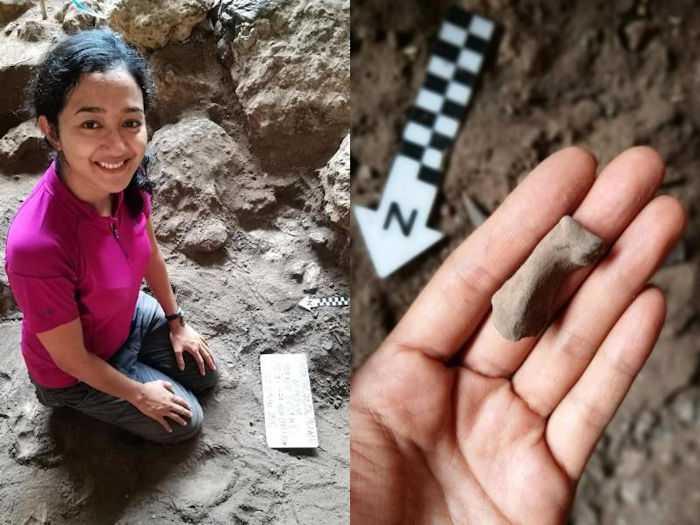
Groundbreaking new research, published this July, has officially confirmed that tigers, the world's largest wildcats, once roamed the Philippine island of Palawan around 20,000 to 22,000 years ago. Discovered within Pilandok Cave, these nine rare tiger fossils are the oldest ever found in the country, completely reshaping our understanding of ancient Philippine wildlife and human history. The study not only proves the natural presence of these powerful predators but also hints at surprising interactions with early human inhabitants. The findings, led by archaeologist Janine Ochoa from the University of the Philippines Diliman, in collaboration with the National Museum of the Philippines and the indigenous Pala'wan community, reveal a vivid picture of Palawan during the Last Glacial Maximum (LGM). During this icy period, lower sea levels connected Palawan to Borneo and the wider Sundaic biogeographic region, allowing these big cats to spread across what was then a vast landmass. What's even more fascinating is the evidence of human butchery marks on the tiger bones, suggesting ancient Palawan residents may have hunted these formidable animals for their pelts or paws, possibly reflecting deep animistic beliefs about power and personhood. This discovery opens new avenues for exploring the complex relationships between humans and megafauna in Island Southeast Asia and the factors that led to the extinction of these tigers from the Philippines, likely due to climate shifts, habitat loss, and diminishing prey. Researchers will now continue to unravel how these ancient ecosystems functioned and what more Pilandok Cave and other sites in Palawan, a globally recognized biodiversity hotspot, might reveal about our shared past. The ongoing collaboration with indigenous communities is also key to understanding the cultural significance of these animals.