Andhra Pradesh Slips to 8th in NITI Aayog's Investment Index Amid Fiscal Crunch
Context mode is active. Hover over any highlighted term to see its definition. Click a nested term to go deeper.
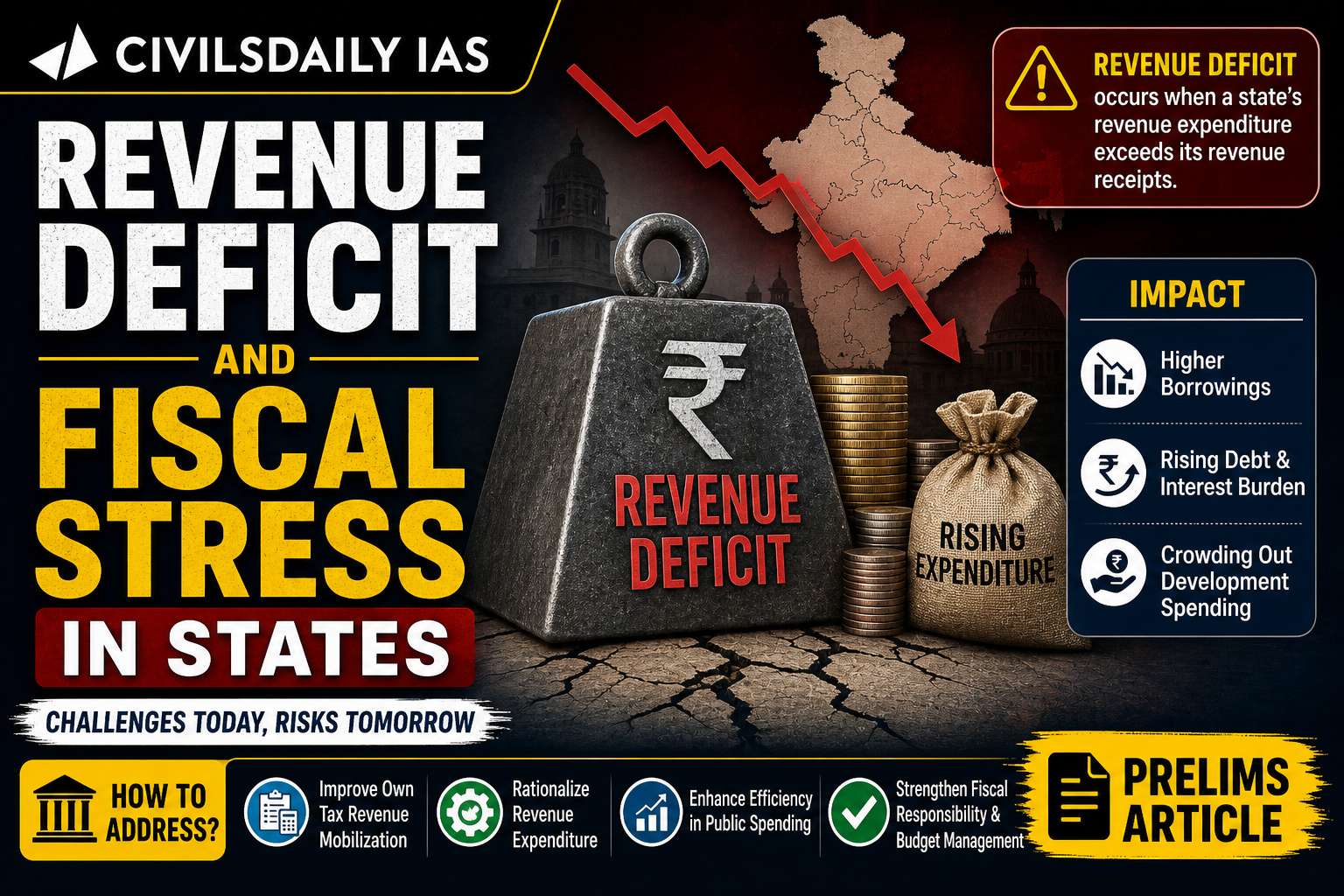
Andhra Pradesh has plummeted to the 8th spot nationally and 6th among large states in NITI Aayog inaugural Investment Friendliness Index (IFI) 2026, a sharp decline from its previous top ranking in the Ease of Doing Business (EoDB) assessments. This significant drop is largely attributed to severe fiscal stress, weak government policies, and a challenging business environment, according to the NITI Aayog new evaluation framework released just this week. The state's overall score of 48.7 out of 100 places it in the 'Front-runners' category, lagging behind 'Top Performers' like Gujarat and Maharashtra. The NITI Aayog report highlights Andhra Pradesh alarming financial health, noting a debt-to-GSDP ratio hovering around 35-36 percent, which is significantly higher than the average for large states and well above the target set by the 15th Finance Commission. Furthermore, the state's fiscal deficit now exceeds twice the 15th Finance Commission recommendations, and it recorded the highest revenue deficit in India for FY 2024-25 at ₹60,285 crore, pointing to a heavy reliance on borrowing for day-to-day expenses. This paints a stark contrast to previous years when Andhra Pradesh frequently boasted its investor-friendly credentials based primarily on faster approval processes. Chief Minister Chandrababu Naidu, recently taking office, has already pointed fingers at prior mismanagement by the YSR Congress Party government for the current fiscal woes, vowing to stabilize the state's finances. Observers will be closely watching his administration's ability to implement critical fiscal reforms and strengthen government policies to improve the business climate. The shift from a process-driven EoDB ranking to NITI Aayog broader, data-and-perception-based IFI means states like Andhra Pradesh must now demonstrate more holistic improvements in financial stability and policy effectiveness to regain investor confidence.