Andy Burnham Takes UK Helm, Vows to 'Rewire Britain' with Power Shift
Context mode is active. Hover over any highlighted term to see its definition. Click a nested term to go deeper.
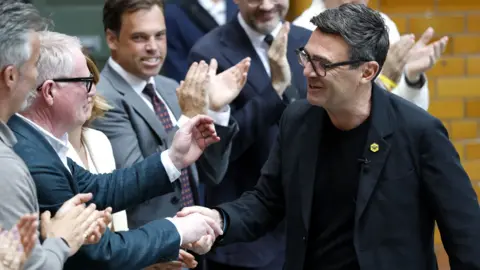
Andy Burnham has officially become the United Kingdom's new Prime Minister as of July 20, 2026, taking over from Keir Starmer and promising a radical 'Rewire Britain' vision to shift power away from London. His unopposed election as Labour leader on July 17, following Starmer's resignation, sets the stage for a dramatic overhaul of how the country is run, with a strong focus on empowering local areas. Burnham's arrival marks a significant turning point for the UK, making him the seventh Prime Minister in just a decade. This leadership change comes after a period of growing dissatisfaction with Keir Starmer premiership, fueled by poor local election results in May 2026 and declining public approval. Starmer formally resigned on June 22, paving the way for Burnham, who returned to Parliament via a quick by-election in Makerfield. Burnham's core plan, 'Rewire Britain', aims to decentralize decision-making, establish a 'No 10 North' government hub in Manchester, and grant regions greater control over essential services like housing, transport, water, and energy. As Prime Minister, Burnham faces immediate challenges, including a persistent cost of living crisis and the need to restore political stability. He has pledged to tackle these issues head-on, promising new measures to help families and a major council house building program. His administration will now move to appoint a new Cabinet, and political watchers will be keen to see how quickly he can translate his ambitious devolution plans into real changes for communities across the UK, moving away from Westminster traditional dominance.