Antidepressants and Heat: New Study Challenges Risks for SSRI Users
Context mode is active. Hover over any highlighted term to see its definition. Click a nested term to go deeper.
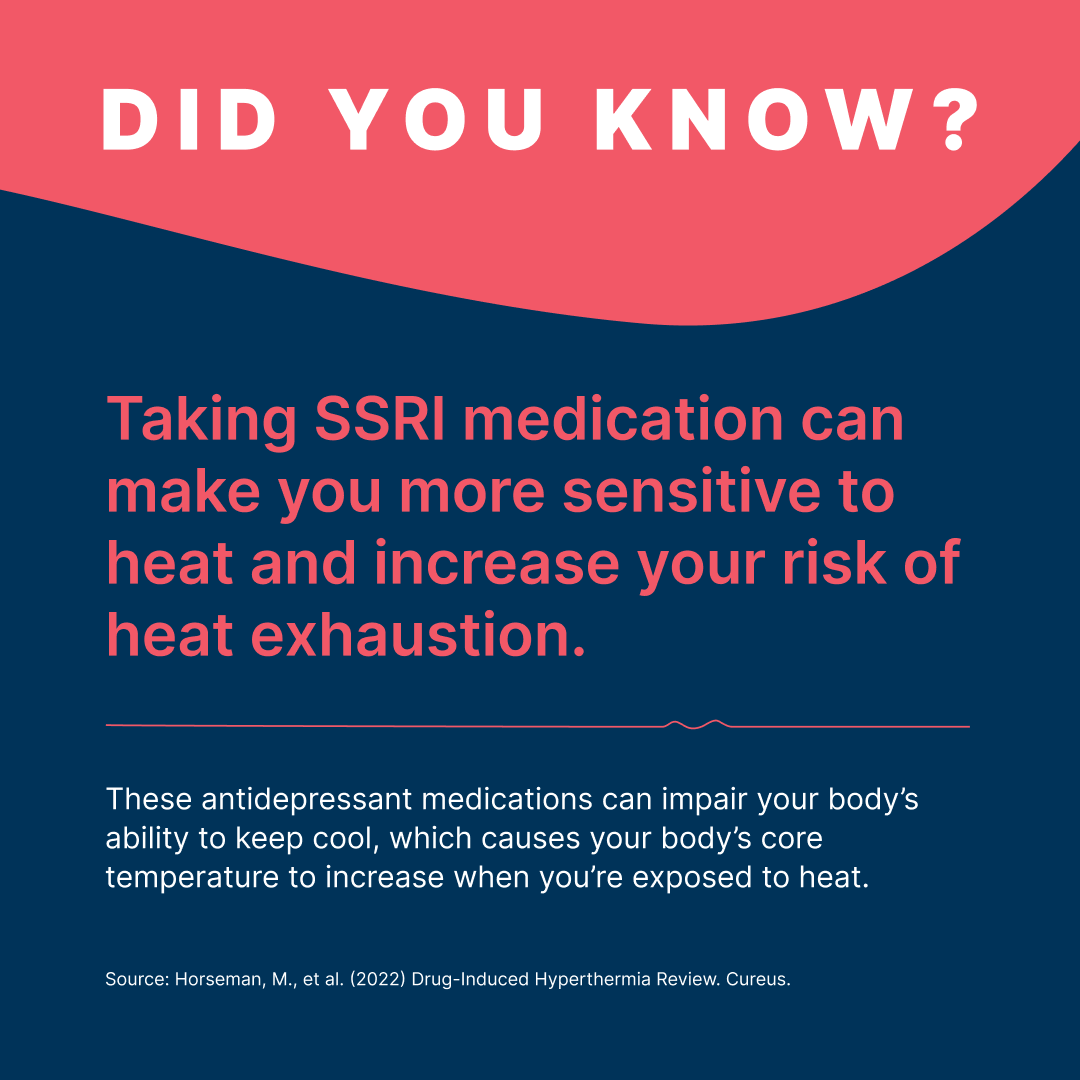
In a surprising turn that challenges widely held concerns, a new study from the Penn State Department of Kinesiology suggests that selective serotonin reuptake inhibitors, or SSRIs, may actually improve heat tolerance in women with depression, making their physiological response to extreme heat more like those without the condition. This groundbreaking research, published recently in the Journal of Applied Physiology, indicates that untreated depression itself could impair the body's ability to regulate temperature, rather than SSRIs being the primary culprit for heat vulnerability, at least in this demographic. The findings urge a nuanced understanding of medication effects amidst rising global temperatures, though other antidepressants and psychiatric drugs still pose significant risks. For years, health authorities including the CDC have cautioned that various antidepressants, particularly SSRIs, serotonin-norepinephrine reuptake inhibitors (SNRIs), and tricyclic antidepressants (TCAs), can disrupt the body's natural thermoregulation. These medications can interfere with the hypothalamus, the brain's internal thermostat, alter sweat production—sometimes causing excessive sweating or, conversely, reducing it—and even suppress thirst, collectively increasing the risk of dehydration, heat exhaustion, and potentially life-threatening heat stroke. Rare but serious conditions like serotonin syndrome and hyponatremia also become a concern, especially with certain drug combinations, making heat a critical factor for millions globally who rely on these prescriptions for mental health conditions, chronic pain, and anxiety. As heatwaves become more frequent and intense, this latest research from Penn State prompts a re-evaluation of how doctors and patients approach heat safety for those on SSRIs, particularly for women. It underscores the critical need for personalized 'hot day plans' developed with healthcare providers, emphasizing continued hydration, seeking cool environments, and vigilant monitoring for symptoms of heat-related illness. Crucially, individuals should never abruptly stop their medication without medical advice, but rather work with their doctors to understand their specific risks and strategies for staying safe, acknowledging that while SSRIs may not universally worsen heat tolerance, other psychiatric medications still demand caution.