Antipsychotics' Hidden Toll: Early Weight Gain, Blood Sugar Spikes Demand Vigilance
Context mode is active. Hover over any highlighted term to see its definition. Click a nested term to go deeper.
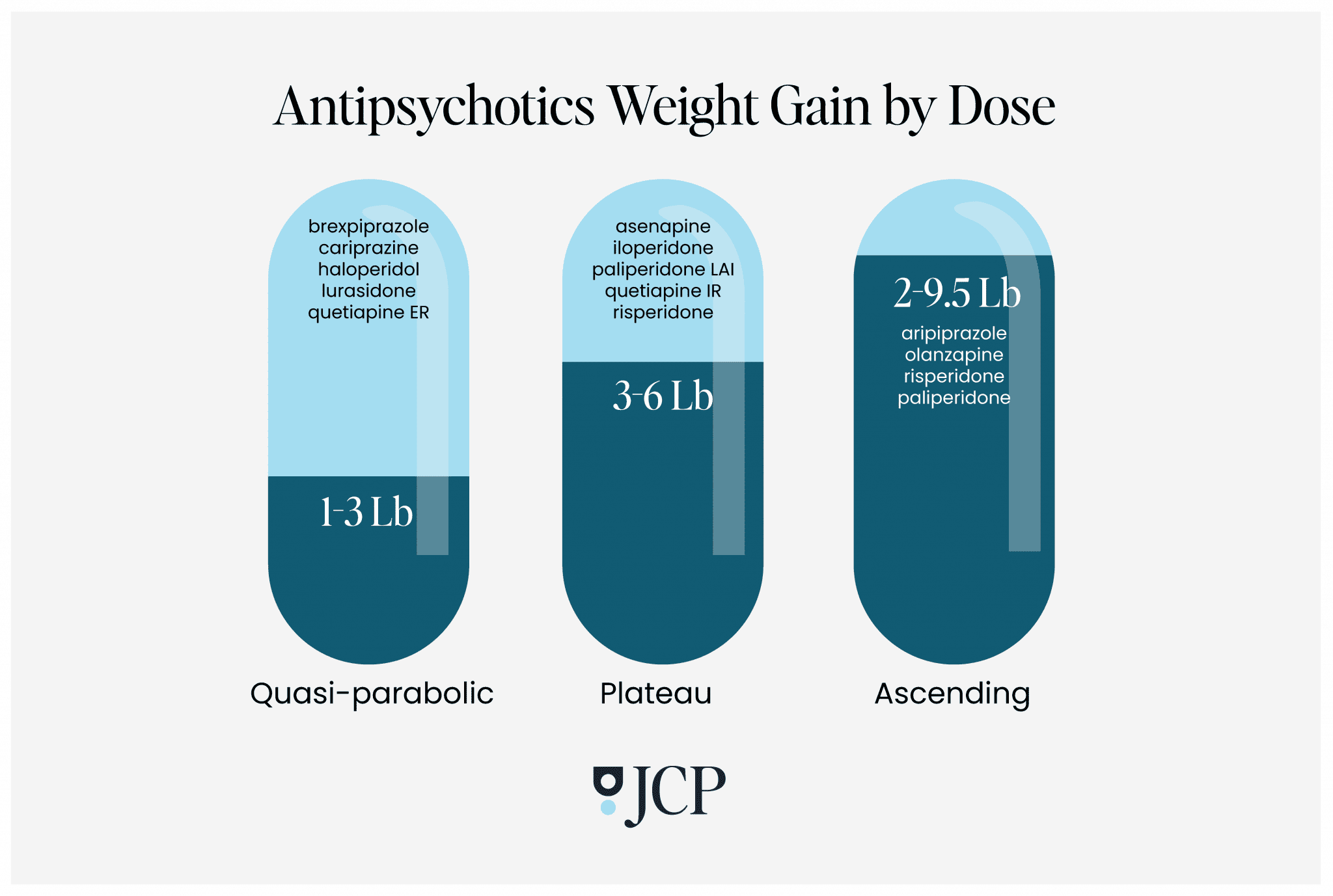
New research has uncovered a critical window of risk for patients starting antipsychotic medications, revealing that most rapid weight gain and blood sugar spikes occur within the first 90 days of treatment. This major study of nearly 97,000 adults found that olanzapine, a common antipsychotic, poses the highest risk, with women facing significantly greater increases in both blood sugar and weight compared to men. The findings call for urgent changes in how healthcare professionals monitor patients on these vital drugs. Published in The Lancet Psychiatry, the University College London (UCL) study highlighted that blood sugar levels, measured by HbA1c, rose about 14 times faster and weight increased nine times faster in the initial three months of treatment compared to before medication. For patients on olanzapine, these changes were even more dramatic, with HbA1c levels surging 50 times faster. This rapid metabolic shift can lead to serious long-term health issues like Type 2 Diabetes Mellitus and Metabolic Syndrome, shortening the lives of individuals already managing severe mental illnesses such as schizophrenia and bipolar disorder. Doctors are now urged to closely track both blood sugar and weight before and during the first few months of antipsychotic therapy to catch these 'metabolic changes' early. This proactive approach could involve lifestyle interventions or co-prescribing drugs like Metformin to offset side effects, ensuring patients receive the psychiatric benefits of these medications while minimizing physical health risks. The study underscores that while these drugs are crucial, their metabolic impact demands immediate and sustained attention.