Apni Party Urges Centre-J&K Dialogue Amidst Growing Grievances and Security Concerns
Context mode is active. Hover over any highlighted term to see its definition. Click a nested term to go deeper.
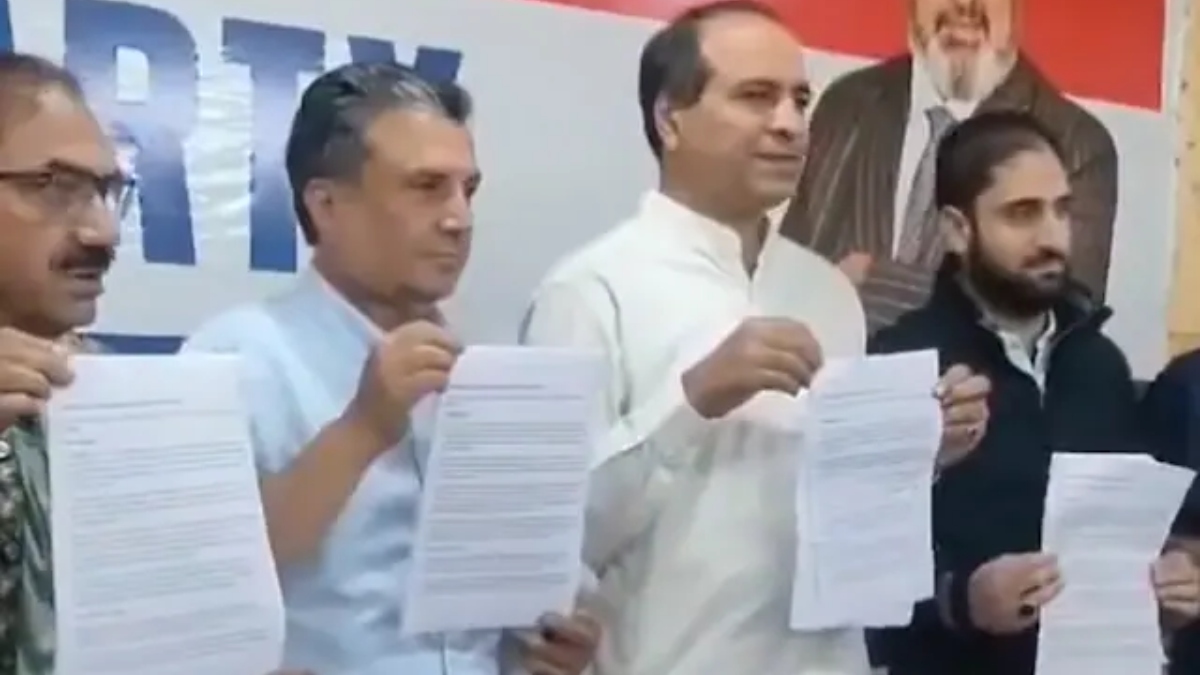
The Apni Party has intensified its push for urgent, meaningful dialogue between the Indian government and the people of Jammu & Kashmir (J&K), with party president Syed Mohammad Altaf Bukhari emphasizing that such talks are crucial to address genuine public issues and bridge a growing 'trust deficit'. This call comes amidst escalating public grievances and recent security concerns in the region, including the tragic Kulgam terror attack, and follows strong criticism by the Apni Party against the ruling J&K government for its perceived failures. The demand for dialogue is particularly significant as the Apni Party alleges that the current National Conference (NC) government in J&K has 'dishonoured the massive public mandate' it received, failing to deliver on promises related to employment, development, and basic necessities. Figures like J&K Chief Minister Omar Abdullah acknowledge public frustration, even as his government faces protests from the Apni Party on various fronts. The Apni Party points to Prime Minister Narendra Modi past commitment to 'bridging the distance between the hearts of the people of Jammu and Kashmir and the rest of the country' as a foundation for renewed engagement, especially seven years after the abrogation of Article 370. Meanwhile, a stark contrast is drawn with the severe political unrest and repression reported in Pakistan-occupied Jammu & Kashmir (PoJK), where demands for economic relief and political reforms have been met with force, further highlighting the precarious regional dynamics. Looking ahead, the Apni Party persistent demands put renewed pressure on both the J&K government and the Centre to move beyond rhetoric and initiate concrete steps towards dialogue. With various political parties continuing to protest for the restoration of statehood and accountability on security, the coming months will reveal if the Centre responds with a substantive engagement strategy, potentially shaping the future political stability and public sentiment across Jammu & Kashmir.