Apple Pay Lands in India: Axis Bank Credit Cards First, UPI Still a Distant Promise
Context mode is active. Hover over any highlighted term to see its definition. Click a nested term to go deeper.
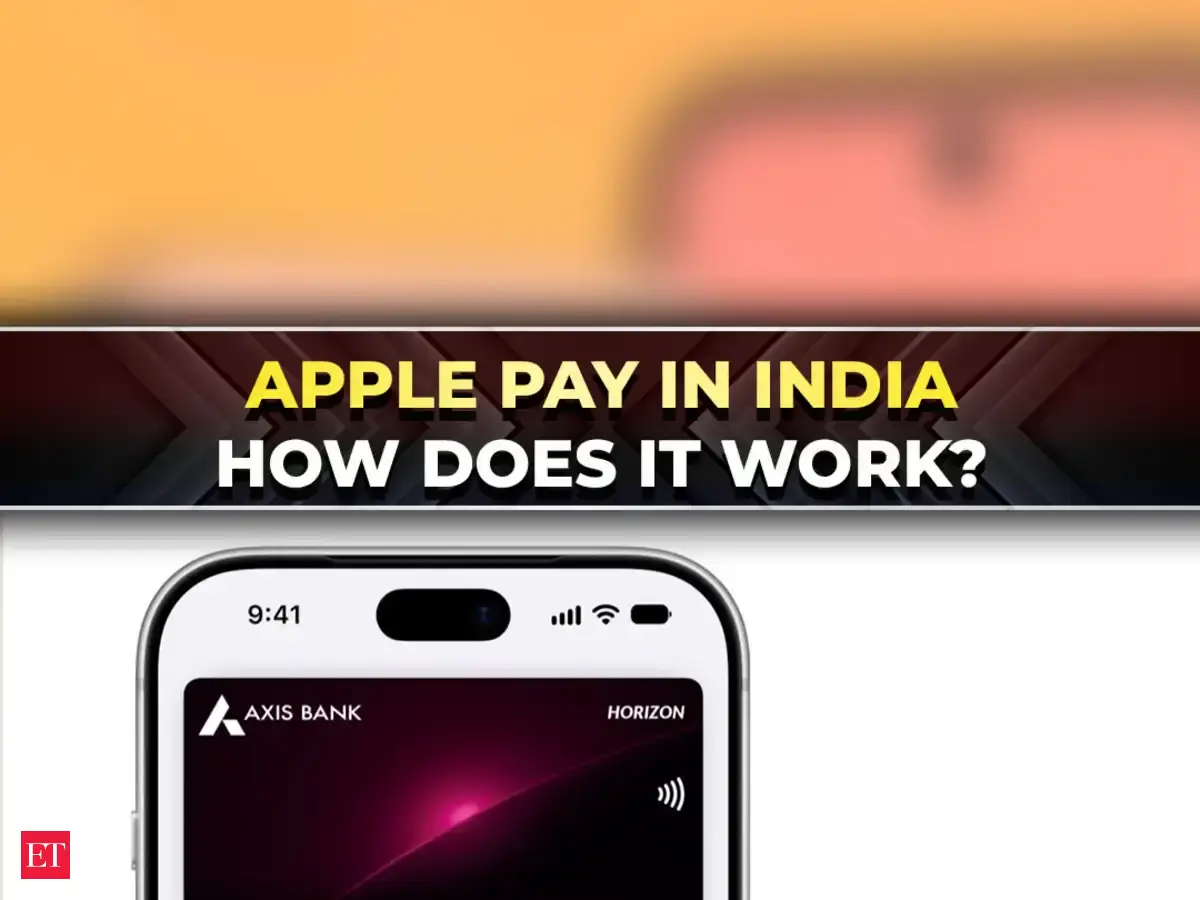
Apple Pay has officially launched in India, nearly a decade after its global debut, bringing its contactless payment service to iPhone, iPad, and Apple Watch users across the nation. This long-anticipated entry, however, kicks off with a narrow scope, exclusively partnering with Axis Bank for eligible Visa and Mastercard credit cards. The tech giant steps into a vibrant digital payments arena heavily dominated by UPI, making its card-centric approach a bold, somewhat cautious, opening move. India digital payment landscape is currently led by Google Pay, PhonePe, and local player Paytm, with the state-backed Unified Payments Interface (UPI) accounting for the vast majority of transactions. Apple's strategy, as explained by Jennifer Bailey, Vice President of Apple Pay and Apple Wallet, is to target the growing segment of credit card users who prioritize ease, security, and privacy, bypassing the need for PINs or One-Time Passwords (OTPs). The rollout doesn't include UPI integration yet, nor support from other major banks like HDFC Bank, ICICI Bank, or SBI Card, reportedly due to ongoing negotiations over Apple's proposed transaction fees, estimated at around 20 basis points. This fee structure contrasts sharply with India zero-MDR policy for UPI transactions, highlighting a key challenge for broader adoption. With Apple Pay now accepted by millions of merchants, including major players like Zomato and Blinkit, and integrated with various payment service providers, the immediate focus will be on how quickly it expands beyond its initial Axis Bank credit card base. Apple has indicated plans to add more banks over time, and future UPI integration remains a possibility, albeit requiring separate regulatory approvals. The coming months will reveal if Apple's premium brand appeal and robust security features can carve out a significant niche in a market accustomed to the free and ubiquitous nature of UPI.