Army's Air Defense Gets Precision Boost with $40M Curtiss-Wright Upgrade
Context mode is active. Hover over any highlighted term to see its definition. Click a nested term to go deeper.
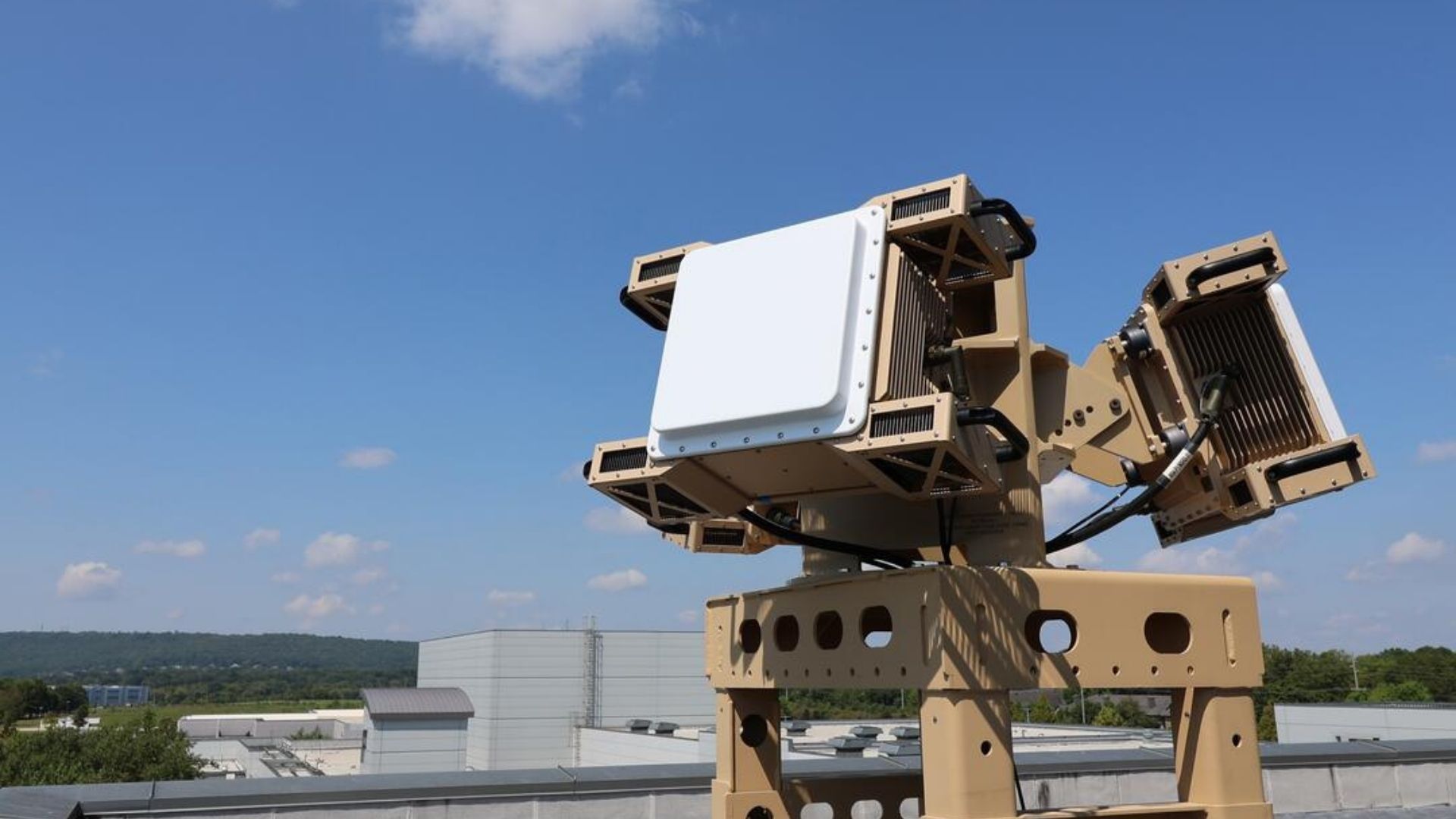
The U.S. Army is significantly upgrading its air defense capabilities with a new $40 million deal awarded to Curtiss-Wright Corporation by prime contractor Leidos. This contract focuses on providing advanced electromechanical actuation technology and rugged mission computers for the Indirect Fire Protection Capability Increment 2 (IFPC Inc 2) system, a mobile, ground-based defense platform designed to counter a growing array of aerial threats. This crucial investment aims to fortify defenses against everything from cruise missiles to unmanned aircraft systems, especially for critical operations in the Indo-Pacific region. The IFPC Inc 2 program, which transitioned to 'Rapid Fielding' in fiscal year 2025, represents a cornerstone of the Army's layered air and missile defense strategy, moving beyond a 'one-size-fits-all' approach to flexible, scalable protection. Leidos has already secured nearly $1.2 billion in related production contracts, highlighting the scale of this modernization effort. With adversaries deploying increasingly sophisticated drones and missiles, equipping systems like the IFPC Inc 2 with high-precision components and robust computing power is vital for defending key assets and personnel, particularly in areas like the Defense of Guam. The system's open architecture allows for integration with existing command-and-control networks, like the Army Integrated Air and Missile Defense (IAMD) Battle Command System (IBCS) and Sentinel sensor, enhancing situational awareness and response. Looking ahead, the deployment and integration of these advanced systems are already underway, with the IFPC Inc 2 demonstrated in the Philippines in May 2026 and soldiers training on it in South Korea in August 2026. The Army is also exploring a 'Second Interceptor Program' for IFPC Inc 2, targeting even more advanced threats like supersonic cruise missiles. This continuous evolution underscores the military's commitment to maintaining a technological edge against evolving aerial threats and ensuring global security.