As Indonesia’s top envoy becomes latest from Asean to visit Myanmar, analysts warn of risks
Context mode is active. Hover over any highlighted term to see its definition. Click a nested term to go deeper.
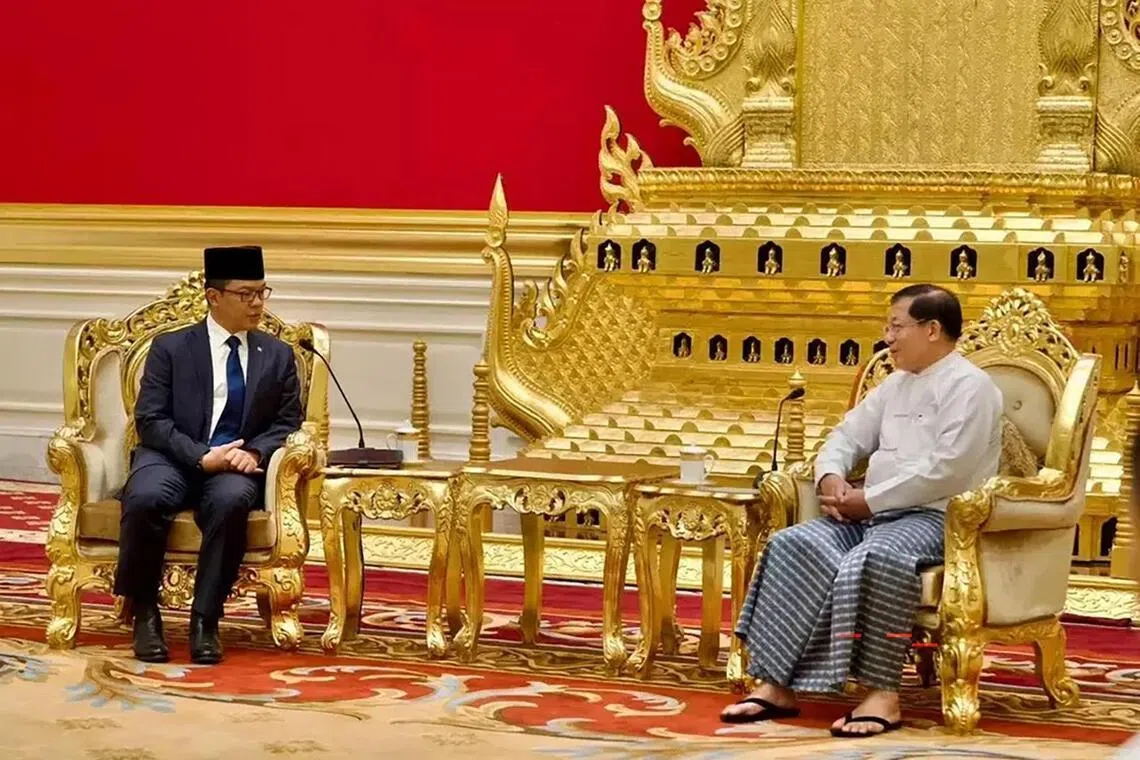
Indonesia's Foreign Minister Sugiono recently concluded a high-stakes visit to Myanmar on June 8, signaling a calculated, albeit risky, recalibration of ASEAN long-stalled diplomatic approach to the conflict-ridden nation. This marks the first official Indonesian ministerial trip since the 2021 military coup, with Jakarta now seemingly pivoting from isolation to a more pragmatic engagement strategy despite strong warnings from analysts about legitimizing the military regime. The move, following controversial elections that installed junta chief Min Aung Hlaing as president, underscores growing regional impatience with the lack of progress on peace. Jakarta's engagement, which included meetings with Min Aung Hlaing and Foreign Minister U Tin Maung Swe, comes amidst a broader ASEAN reassessment of its efficacy in implementing the 2021 Five-Point Consensus. While Indonesia affirmed support for a 'Myanmar-owned and Myanmar-led' peace process and explored bilateral cooperation in energy and agriculture, the Myanmar state media's immediate, uncorroborated claim of Indonesia's recognition of April's sham elections highlights the inherent dangers of such overtures. Critics fear that individual ASEAN member states engaging bilaterally risks undermining the bloc's credibility and its united front against the junta, even as reports suggest the Tatmadaw is now regaining battlefield momentum against resistance forces, aided by conscription and Chinese support. The immediate aftermath will see intense scrutiny on whether this 'pragmatic recalibration' yields any tangible progress on the 5PC, particularly regarding cessation of violence and inclusive dialogue. The Philippines, as the current ASEAN chair, is also moving to broaden engagement, with Special Envoy Ma. Theresa Lazaro planning to meet with ethnic armed organizations and political resistance groups—a potential shift from the bloc's past junta-centric approach. However, the ongoing civil war, the junta's tightening control, and recent detentions like that of US businessman Adam Castillo, indicate the deep complexities and continued volatility, suggesting any path to peace remains fraught with peril and demands a far more coordinated and firm regional strategy.