Asia Rewrites Energy Rulebook After Hormuz Crisis: Diversification Becomes New Imperative
Context mode is active. Hover over any highlighted term to see its definition. Click a nested term to go deeper.
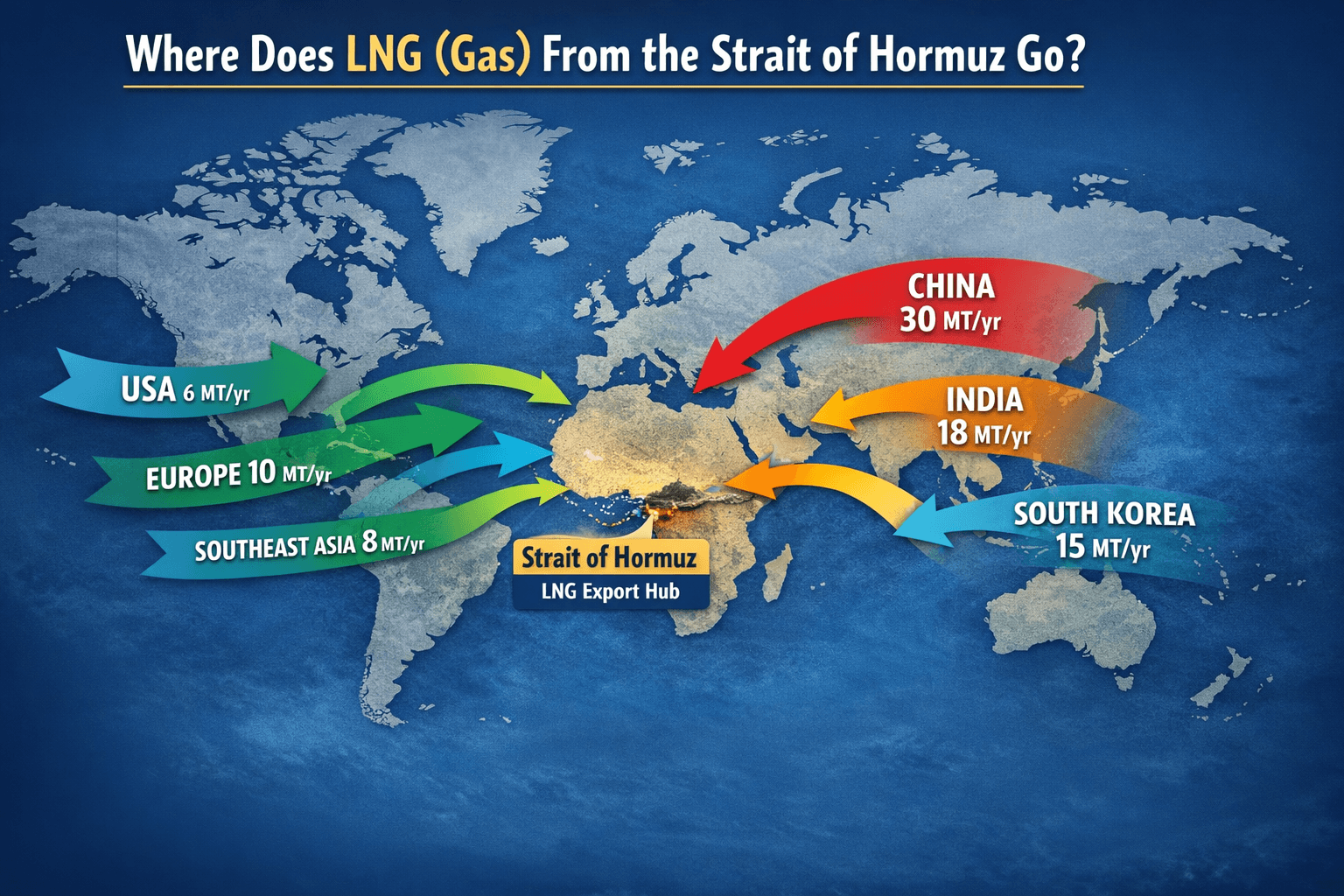
The Strait of Hormuz, a critical global shipping lane, plunged into crisis earlier this year, triggering the 'largest supply disruption in the history of the global oil market' after escalating geopolitical tensions led to an Iran-US conflict and a blockade of the waterway. While a US-Iran memorandum of understanding in June 2026 has brought de-escalation, reducing shipping risks from 'Extreme' to 'Severe', the near-total halt of oil and LNG traffic during the conflict sent shockwaves globally, pushing Asian nations to urgently rewrite their energy playbooks. The crisis starkly reminded the region, heavily reliant on this maritime choke point, that energy security is no longer just an economic concern but the backbone of national stability, compelling an aggressive pivot towards diversified supplies and robust domestic infrastructure. In the wake of this severe disruption, countries across Asia are moving with unprecedented speed to secure their energy futures. China, already holding the world's largest Strategic Petroleum Reserves, is doubling down on reducing crude dependency by expanding land-based inflows, boosting domestic production, and aggressively building out a 220,000 km oil and gas pipeline network by 2030 through entities like PipeChina. India, facing high hydrocarbon import dependency, has unveiled a multi-pronged energy security agenda in its 2026-27 Union Budget, increasing support for Carbon Capture, Utilization, and Storage (CCUS) projects and accelerating offshore oil and gas exploration. Meanwhile, Japan and South Korea have agreed to deepen energy cooperation, including mutual emergency stockpiles and a $10 billion framework led by Japan to support regional crude oil supplies. Looking ahead, this collective pivot signifies a lasting shift away from a 'just-in-time' energy era towards 'energy sovereignty' for many Asian economies. Major projects, like Vietnam's push for 22,000 MW of LNG capacity by 2030 and Indonesia's focus on offshore gas for national security, highlight the long-term investment in regional resilience. As the global energy landscape remains volatile, the next few years will see a rapid acceleration in these diversification efforts, with nations keenly watching how regional energy corridors like the India-Middle East-Europe Economic Corridor (IMEC) can offer vital alternatives, fundamentally reshaping global energy trade routes and alliances.