Asian Markets Diverge as Hormuz Standoff Elevates Oil Prices Amid Stalled Talks
Context mode is active. Hover over any highlighted term to see its definition. Click a nested term to go deeper.
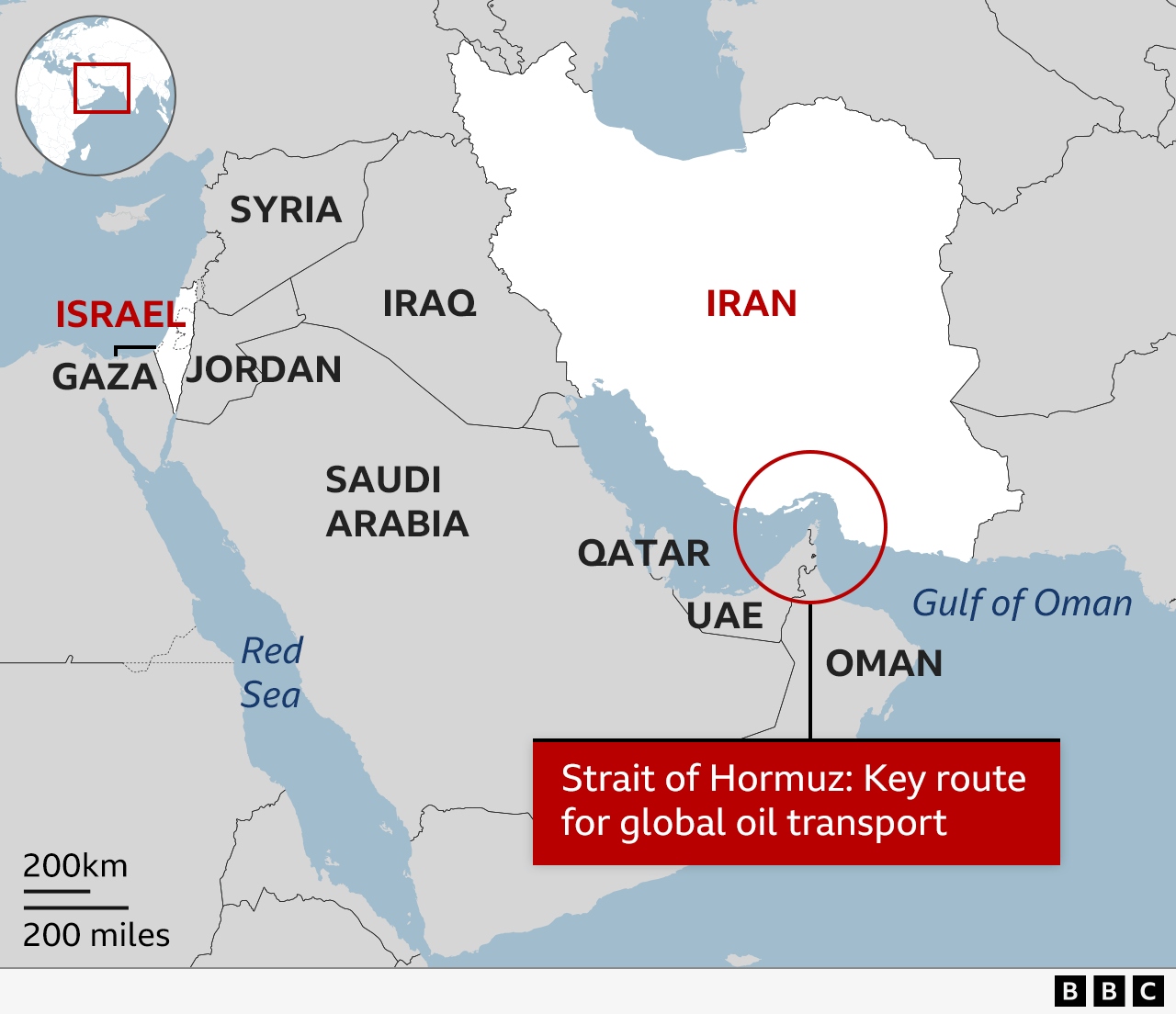
Asian equities witnessed a mixed trading day as investors closely watched the tense, ongoing negotiations surrounding the Strait of Hormuz, a crucial global oil chokepoint. South Korea's Kospi index surged by more than 2% today, largely driven by its heavyweight tech stocks, while Japan's Nikkei 225 also posted a modest gain, defying earlier concerns. Despite diplomatic efforts, crude oil prices remained stubbornly high, signaling persistent worries about Middle East supply disruptions. The core of the market's unease stems from the Strait of Hormuz, which has been largely blocked by Iran since February 2026 following US-Israeli airstrikes. Although mediators like Oman, Pakistan, and Qatar have tried to bridge the gap, Iran recently issued tough demands for its full reopening, including the lifting of US sanctions and withdrawal of military forces, which Washington has largely rejected. This hardline stance keeps global oil supply severely constrained, with current transit volumes a fraction of pre-conflict levels, pushing Brent crude towards the $90 a barrel mark and leading the EIA to raise its third-quarter price forecasts. Looking ahead, all eyes remain on the delicate diplomatic dance for the Strait of Hormuz, as any breakthrough could significantly ease global energy market pressures. However, with both the US and Iran appearing to harden their positions, near-term volatility in crude prices is highly likely. Investors will also be keenly observing upcoming US inflation data, which could further influence central bank policies and global market sentiment, adding another layer of complexity to an already fragile economic outlook.