Australia services PMI slips to 48.7 as Middle East war hammers demand
Context mode is active. Hover over any highlighted term to see its definition. Click a nested term to go deeper.
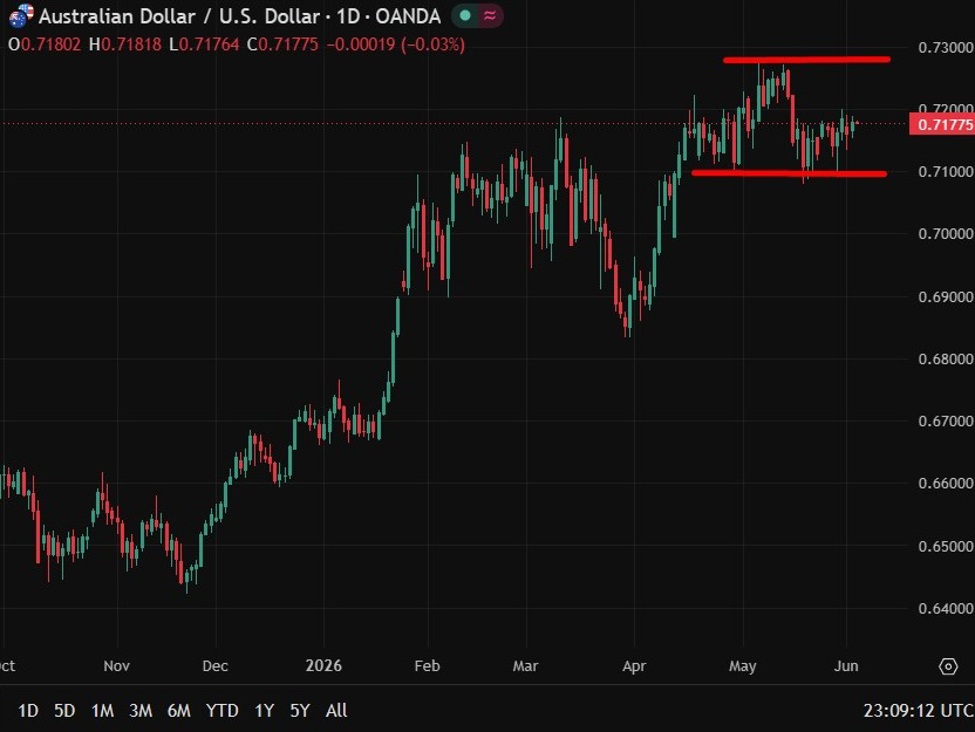
Australia's services sector plunged into contraction in May 2026, with the S&P Global PMI hitting a concerning 48.7. This sharp downturn, driven by the escalating Middle East conflict, has aggressively squeezed demand and sent fuel costs soaring, marking the fastest decline in new orders in two and a half years and the first job losses since late 2024, signaling a rapid deterioration in an economy already battling persistent inflation. The explicit linkage to geopolitical instability, particularly via Red Sea and Strait of Hormuz shipping disruptions, underscores how global flashpoints are now directly transmitting into Australian business conditions, extending far beyond just energy markets. This economic contraction, combined with a similarly weak manufacturing PMI, complicates the Reserve Bank of Australia calculus, pushing back any hopes for interest rate cuts amidst a looming stagflationary dilemma. S&P Global warns the combined Composite Output Index, also at 48.7, suggests Australia will struggle to generate any growth in Q2 2026. Eyes will now turn to upcoming inflation prints and the RBA August policy meeting, where policymakers face the unenviable choice: combat persistent, conflict-driven inflation or support a rapidly weakening economy. Should the composite PMI remain below the 50.0 threshold, the Australian dollar faces a challenging period, caught between softening domestic growth and sticky price pressures, making a dovish pivot by the RBA increasingly difficult.