Australia's AUKUS Submarine Ambitions Hit Icebergs: Is South Korea's KSS-III the Lifeline?
Context mode is active. Hover over any highlighted term to see its definition. Click a nested term to go deeper.
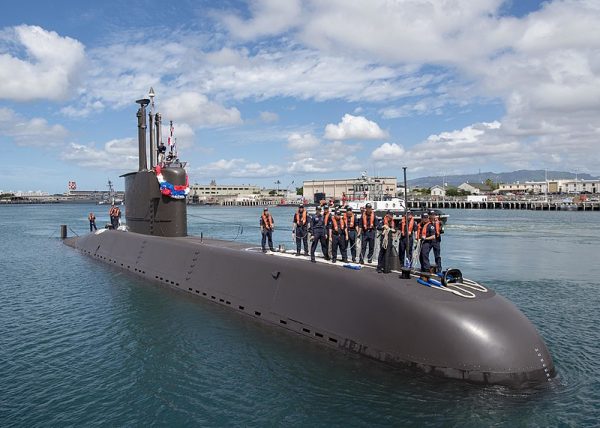
Australia's ambitious AUKUS nuclear submarine deal is facing significant headwinds, with mounting costs and growing skepticism about the timely delivery of its promised US-built Virginia-class submarine. Fresh reports from May 2026 indicate the US Navy won't hit its required production rate until 2032, casting serious doubt on Australia receiving its first boats as planned in the early 2030s. This uncertainty has reignited discussions about alternatives, with South Korea's advanced KSS-III conventionally-powered submarine emerging as a compelling, faster solution. The AUKUS pact, initially hailed as a game-changer, now grapples with an estimated A$368 billion price tag that critics suggest could soar past A$500 billion, largely due to uncosted nuclear waste disposal and ongoing delays in the US industrial base. This financial burden and the potential capability gap, as Australia's aging Collins-class submarines are pushed to operate into the 2040s, highlight the strategic vulnerability. Meanwhile, South Korea's Hanwha Ocean, recently available after missing out on Canada's submarine tender, has a proven track record, offering its KSS-III Batch II submarines, which are capable of delivering cutting-edge performance and vertical launch capabilities, within six years of a signed contract. As a public inquiry scrutinizes the AUKUS program's feasibility, the possibility of integrating KSS-III submarine into Australia's fleet gains traction, not necessarily to replace AUKUS entirely, but to provide a crucial interim or complementary force. This 'mixed-fleet' approach could ensure Australia maintains a robust undersea deterrence in the Indo-Pacific region, aligning with its 'deterrence by denial' strategy, while the long-term AUKUS plan navigates its complex challenges. The coming months will reveal whether Canberra re-evaluates its submarine strategy to address these critical timelines and cost pressures.