Australia's Housing Boom Crumbles: Prices Plunge Amid Rate Hikes and Tax Reforms
Context mode is active. Hover over any highlighted term to see its definition. Click a nested term to go deeper.
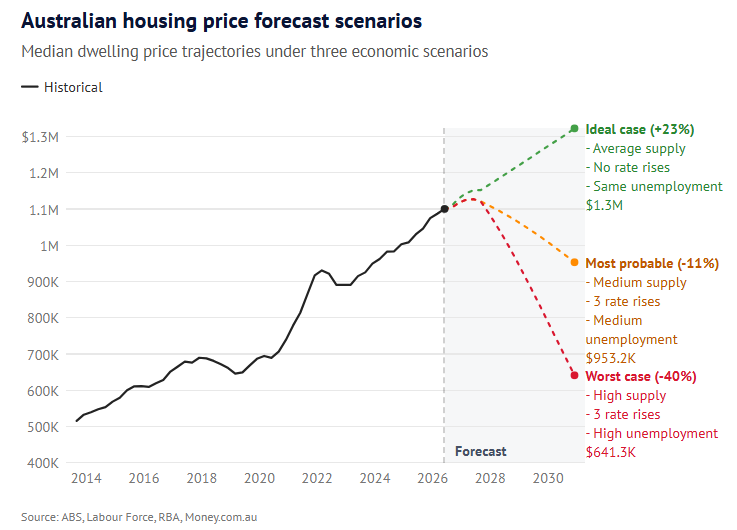
Australia's long-running property boom has officially hit a major turning point, with housing prices falling for the fourth consecutive month in July 2026. Data from leading research firms Cotality and PropTrack show significant declines, particularly in major cities like Sydney and Melbourne, as a cocktail of rising interest rates and new government tax policies bites hard into buyer confidence and investor activity. This downturn marks the sharpest monthly drop in national home values since late 2022, signaling a clear shift in one of the world's most expensive real estate markets. The slump is primarily fueled by the Reserve Bank of Australia aggressive interest rate hikes earlier in 2026, which pushed the cash rate to 4.35% and drastically reduced how much people can borrow. Adding to the pressure, the Federal Budget in May 2026 introduced changes to tax breaks for property investors, specifically impacting negative gearing and capital gains tax, causing a noticeable drop in new investor applications and market uncertainty. While auction clearance rates, a key measure of market health, saw a slight uptick recently, they remain well below last year's levels, reflecting a cautious environment where sellers are holding back listings and buyers are hesitating. Looking ahead, economists largely expect the property market to remain soft through the rest of 2026 and into 2027, with some predicting total price falls of 7% or more. However, a full-blown crash is considered unlikely due to underlying factors like strong population growth and a persistent shortage of housing. The RBA is expected to hold interest rates steady at its upcoming August 11 meeting, which might offer some relief. The market's future trajectory will heavily depend on whether inflation eases, leading to potential rate cuts in mid-2027, and how existing housing supply issues are addressed.