Ayodhya Temple Scandal: Ex-Litigant Demands Trust Dissolution, Assets to Deity Amidst SIT Probe
Context mode is active. Hover over any highlighted term to see its definition. Click a nested term to go deeper.
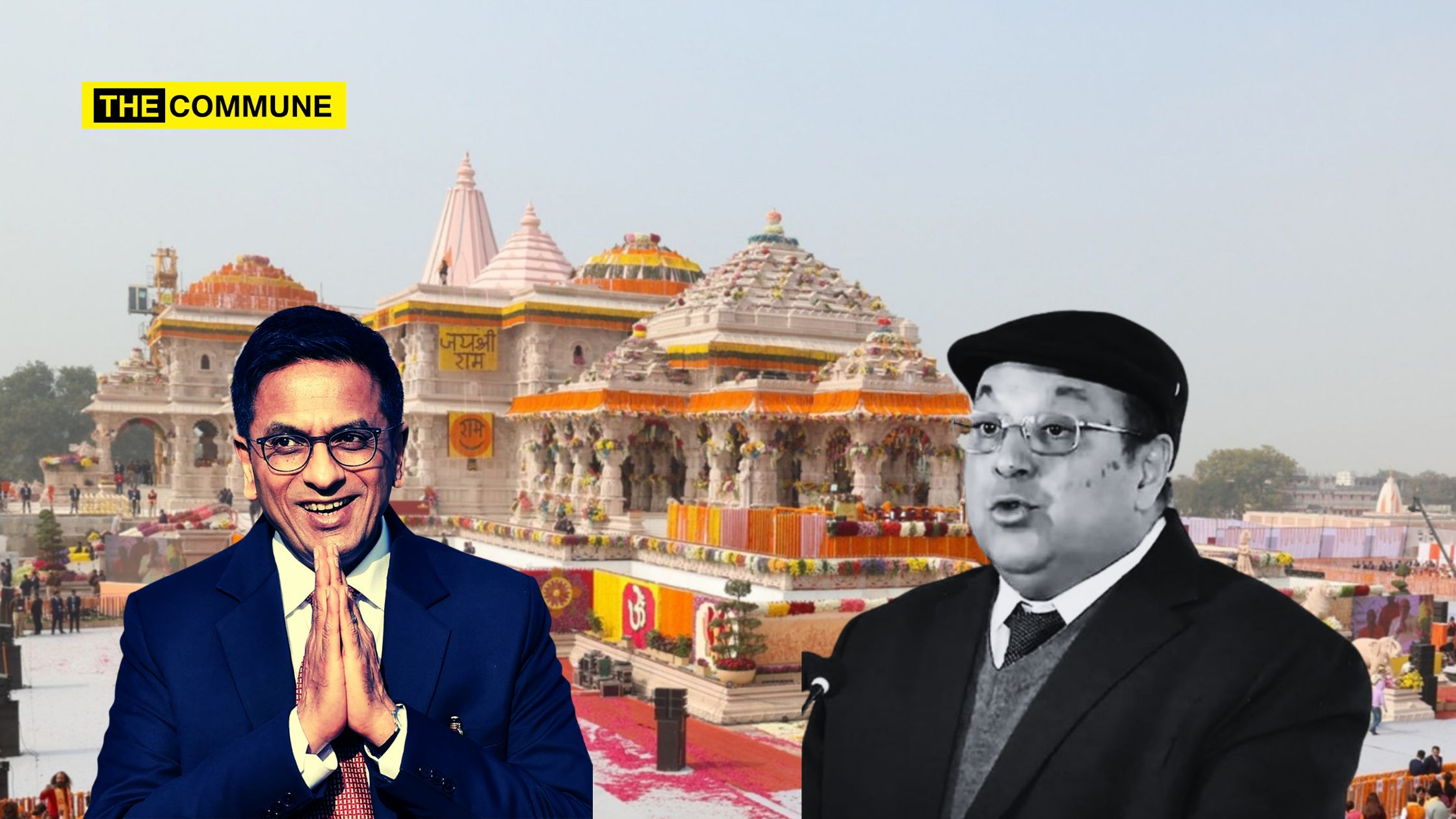
A major controversy has erupted in Ayodhya as Mahant Dharmdas, a key figure from the historic Ram Janmabhoomi legal battle, has called for the dissolution of the Shri Ram Janmabhoomi Teerth Kshetra Trust. His demand comes amidst an ongoing Special Investigation Team (SIT) probe into alleged embezzlement of donations at the newly constructed Ram Temple, with Dharmdas insisting all temple assets be registered directly in the deity's name, arguing the Trust has registered them wrongly in its own name. The SIT, whose investigation period was just extended by 15 days, is digging deep into what a preliminary probe called 'large-scale irregularities' in the Trust's finances over the past five years. Police have already arrested eight individuals, including key accused Avinash Shukla and Lavkush Mishra, seizing approximately Rs 80 lakh in cash, along with gold and silver. Reports even suggest the accused used temple washrooms to hide stolen cash and created 'human shields' to evade CCTV cameras, with footage allegedly showing the theft in action. Amidst the deepening scandal, Trust General Secretary Champat Rai and Trustee Anil Mishra have reportedly tendered their resignations, with a crucial Trust meeting slated for July 6 to decide their fate. This high-stakes investigation not only threatens to expose deep-rooted corruption but also reignites legal questions about the management of religious endowments in India, especially concerning Ram Lalla status as a 'juristic person' capable of owning property. Political reactions are intensifying, with opposition parties demanding a Supreme Court-monitored probe and the RSS expressing 'deep pain and anger' over the alleged theft. As the SIT re-audits years of accounts, the coming weeks will reveal the full extent of the alleged malpractices and could lead to significant reforms in how sacred institutions are managed, impacting public faith and potentially altering the trust's future leadership.