Iran's Escalating Demands: US Troop Exit, Sanctions Lift Key to Hormuz Reopening
Context mode is active. Hover over any highlighted term to see its definition. Click a nested term to go deeper.
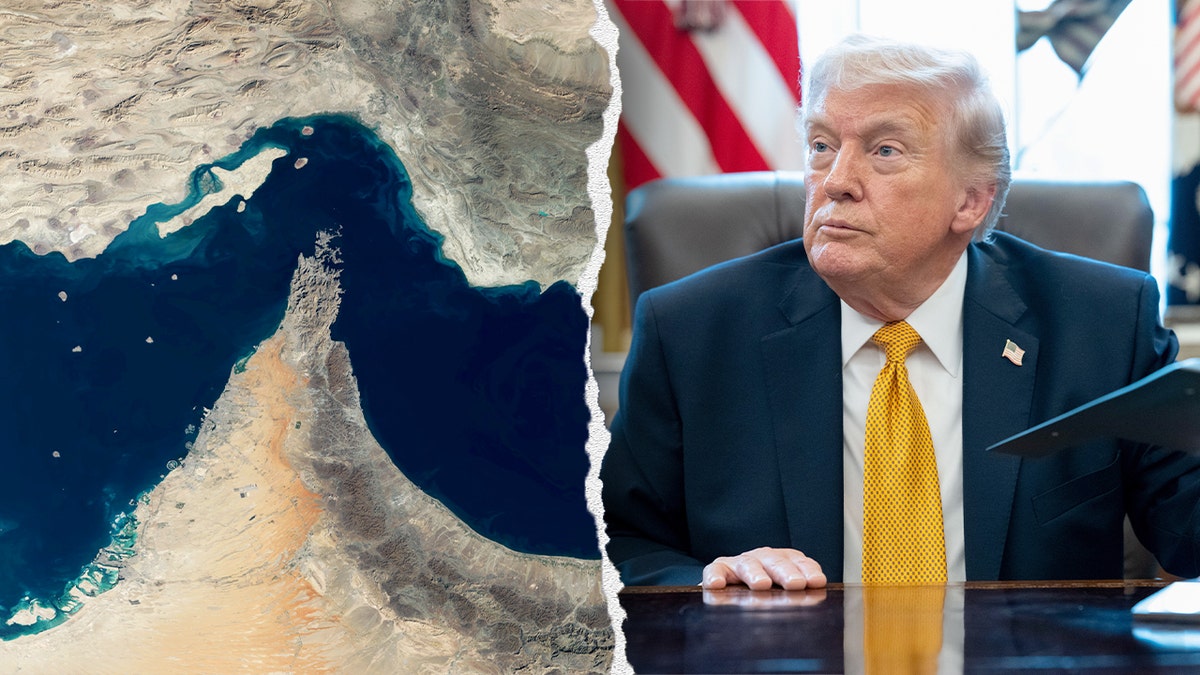
Iran top security body, the Supreme National Security Council (SNSC), just dropped a bombshell, declaring the vital Strait of Hormuz will stay shut until the United States meets a sweeping list of new demands. This isn't just about lifting sanctions anymore; Tehran is now insisting on a complete US military withdrawal from the region, full compensation for war damages, and an end to threats against Iran and its allies. The dramatic escalation comes as a UAE ship was hit by an Iranian missile in the Strait, pushing an already tense situation to a critical point. These tough new conditions, outlined by SNSC Secretary Mohammad Bagher Zolghadr, go far beyond any previous agreements, including the June memorandum that aimed for a temporary calm. Iran has maintained an effective naval blockade of the Strait since US and Israeli attacks in February, disrupting global crude oil shipments and severely impacting world energy prices. While Iran and Oman are reportedly nearing a deal on new shipping routes, Tehran is clear: the Strait's full reopening hinges on Washington 'correcting its behavior' and addressing Iran deep economic crisis worsened by US sanctions and war. The US, which just slapped fresh sanctions on Iran financial networks, has yet to officially respond to these latest demands. However, Vice President JD Vance previously indicated such conditions are 'unacceptable,' suggesting they could push President Donald Trump back towards military options that were recently put aside. With Iran Iranian Revolutionary Guard Corps doubling down on keeping the Strait closed until all conditions are met, and Israel vowing to prevent Iran from getting nuclear weapons, the stakes for global security and energy markets are now higher than ever.