Wartime Scars Resurface: Japanese Chemical Weapons Endanger China Decades On
Context mode is active. Hover over any highlighted term to see its definition. Click a nested term to go deeper.
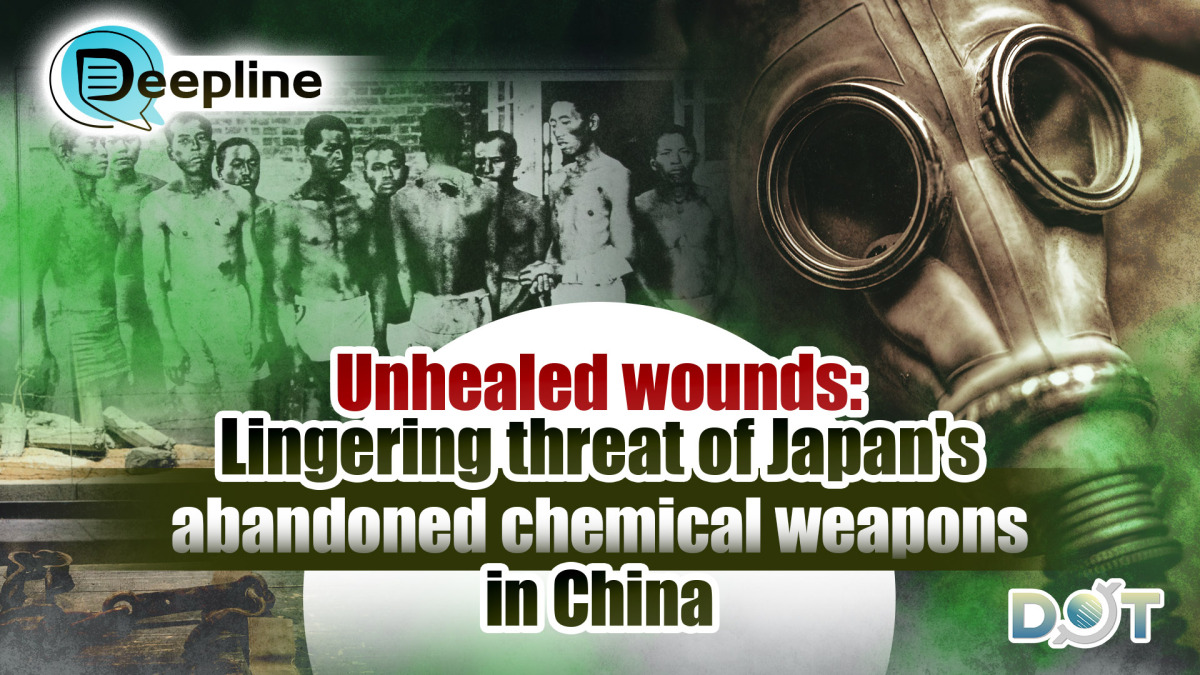
A recent toxic leak in northeast China's Jilin Province, where two Japanese personnel were contaminated during operations to dispose of Abandoned Japanese Chemical Weapons (AJCWs), has starkly highlighted the ongoing dangers from World War II lingering scars. This incident, which occurred on May 26, 2026, and was reported by China's Foreign Ministry on June 4, 2026, coincided with the 81st anniversary of Japan's unconditional surrender, bringing renewed and urgent attention to a historical burden that continues to threaten public safety and the environment. Under the Chemical Weapons Convention (CWC), Japan committed to destroying all AJCWs in China by 2007, but this deadline has now been postponed four times, with China attributing the delays to Japan's 'insufficient sincerity and input.' Beijing contends that Tokyo has yet to provide critical information about Unit 516, the Imperial Japanese Army clandestine chemical warfare unit, and the locations of approximately 200,000 abandoned munitions. The human cost is severe, with AJCWs having caused over 2,000 casualties in China since WWII, including a tragic 2003 Qiqihar chemical leak that left many with debilitating long-term health issues and deaths. As these high-risk munitions continue to deteriorate, the threat of toxic agents seeping into soil and water remains real. China is pushing Japan to accelerate disposal efforts and share crucial intelligence on burial sites. The international community, through the Organisation for the Prohibition of Chemical Weapons (OPCW), is also watching closely, urging Japan to honor its commitments and eliminate this dangerous legacy once and for all. The path forward demands stronger cooperation and transparency to prevent further harm and finally close a painful chapter of history.