Trump says deal to end Iran war is close after calling off strikes
Context mode is active. Hover over any highlighted term to see its definition. Click a nested term to go deeper.
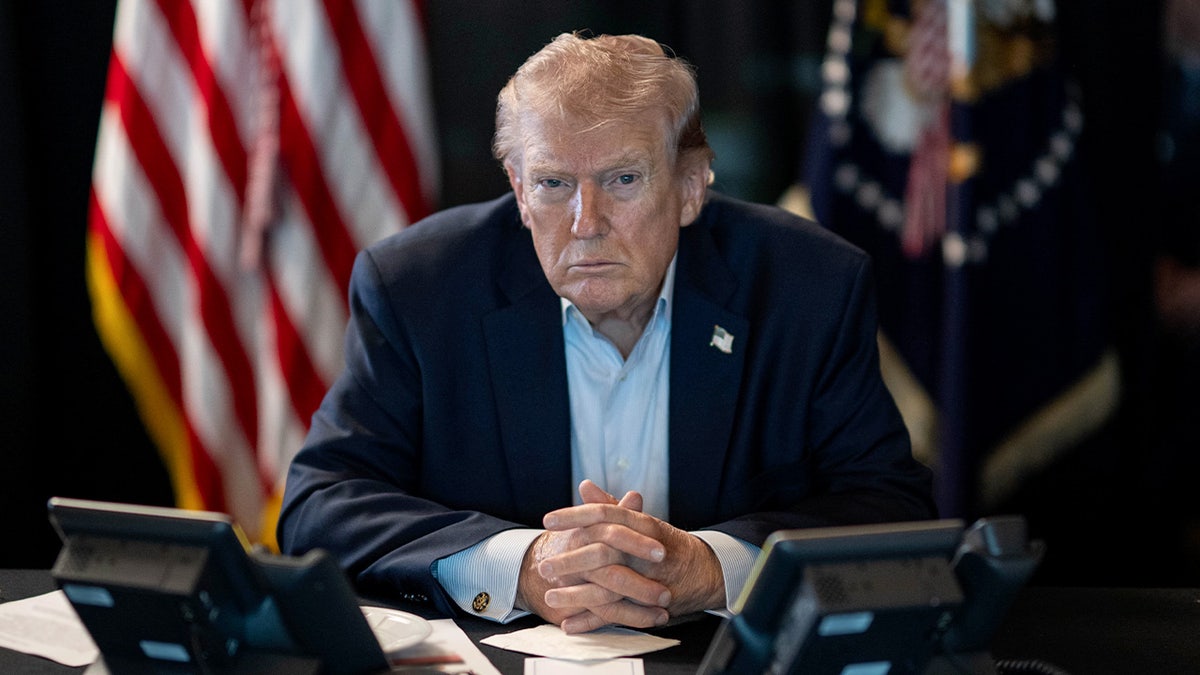
President Donald Trump has announced that a 'great settlement' to end the ongoing conflict with Iran is imminent, claiming a memorandum of understanding could be signed in Europe as soon as this weekend after he called off previously threatened strikes. However, Tehran Foreign Ministry spokesperson, Esmaeil Baghaei, swiftly countered, labeling reports of an agreement as 'speculative' and emphasizing that 'nothing has been finalised,' highlighting persistent divergences despite claims of progress. This latest diplomatic push unfolds against the backdrop of the '2026 Iran war,' ignited by US-Israeli strikes in February 2026 and characterized by a fragile ceasefire riddled with tit-for-tat exchanges and a US naval blockade of Iranian ports. While Trump asserts the deal ensures Iran will 'never have a nuclear weapon' and will reopen the vital Strait of Hormuz, Iran's state media, IRNA, has disclosed a draft MOU detailing a 60-day ceasefire and subsequent nuclear negotiations, even as Baghaei insists the US continues to shift its demands. Key intermediaries like Qatar and Pakistan have reportedly facilitated these complex, often indirect, discussions, which have seen a significant plunge in oil prices and a rally in global markets following Trump's declaration. All eyes are now on Europe for any potential signing ceremony, where Vice President JD Vance is expected to represent the US, and for concrete signs from Tehran confirming their commitment to the framework. The coming days will test the veracity of Trump's claims against Iran's continued skepticism, particularly regarding the contentious issues of sanctions relief and the dismantling of its nuclear program. The world watches to see if this represents a true breakthrough in a volatile region or merely another chapter in a long history of uncertain US-Iran diplomacy.