'Gulf Region Will Become Hell': Iran Targets US Bases In Kuwait, Bahrain And Jor...
Context mode is active. Hover over any highlighted term to see its definition. Click a nested term to go deeper.
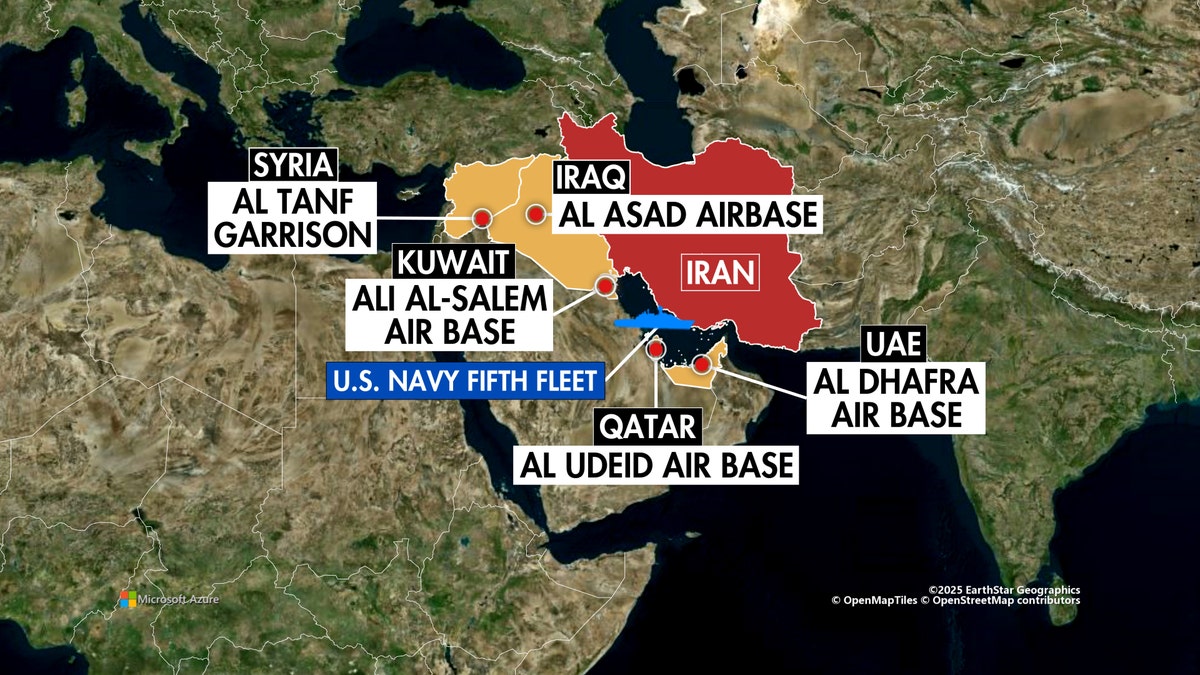
Iran has unleashed a multi-front missile and drone campaign against US military bases in Jordan, Kuwait, and Bahrain, escalating a rapidly deteriorating regional conflict. The Revolutionary Guards claim to have struck critical US infrastructure, including F-35 hangars and command centers at Jordan Al-Azraq base, in direct retaliation for recent American strikes on Iranian soil. Simultaneously, Tehran's Khatam al-Anbiya Central Headquarters has declared the strategic Strait of Hormuz entirely closed to all shipping, threatening any vessel attempting passage. This aggressive maneuver shatters a fragile ceasefire that had been intermittently observed since early April, marking a severe uptick in hostilities between Washington and Tehran. The US Central Command (CENTCOM) confirmed conducting its own 'self-defense strikes' against Iranian air defense, ground control stations, and radar sites near the Strait of Hormuz on June 9-10, following the downing of a US Apache helicopter and attacks on international commercial ships. While US President Donald Trump has asserted these strikes aim to pressure Iran into a deal, US officials vehemently deny the Strait's closure, stating commercial vessels continue transit. The immediate ramifications are stark: global oil markets are bracing for unprecedented volatility, given the Strait of Hormuz role as a critical choke point for 20% of the world's petroleum supply. Regional actors like Saudi Arabia are condemning Iran actions and urging de-escalation, while Kuwait airspace faced temporary closures. The coming days will test the resolve of both sides and the international community's capacity to avert a full-blown regional war with devastating economic and human costs.