The Biggest Military Lesson From Operation Sindoor Wasn't Air Power—It Was Missiles
Context mode is active. Hover over any highlighted term to see its definition. Click a nested term to go deeper.
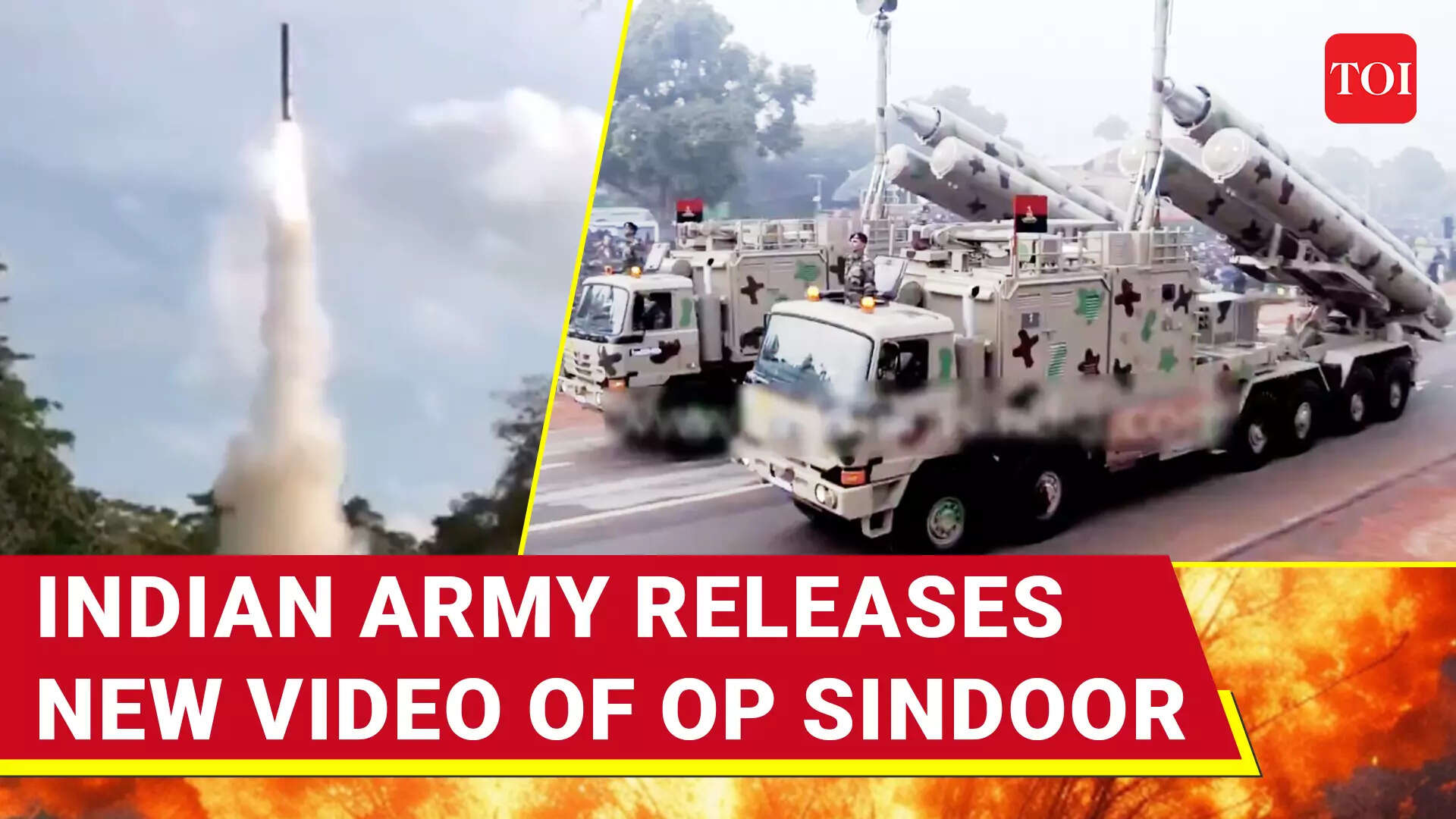
Operation Sindoor, a recent high-stakes Indian military exercise against simulated adversary targets, has revealed a profound strategic pivot: the defining lesson wasn't air superiority but the overwhelming efficacy of integrated missile systems. Indian forces executed complex precision strikes deep within "enemy" territory, employing a sophisticated mix of indigenous and acquired cruise missiles, loitering munitions, and stand-off weapons to neutralize critical infrastructure and command nodes. This marks a decisive shift from traditional manned aviation-centric doctrine, underscoring New Delhi's evolving asymmetric response capabilities against well-defended airspace. The implications for regional strategic stability, particularly with Pakistan, are immediate and stark. Post-Sindoor analysis indicates India can now project precise, deniable, and potentially escalatory power without direct aerial penetration, a significant evolution from the 2019 Balakot airstrike. This doctrine leverages enhanced ISR capabilities and AI-driven targeting, allowing for rapid-response punitive actions that challenge Pakistan's Integrated Air Defense Systems (IADS) without committing high-value aircraft. The success of this missile-centric approach redefines the conventional military balance, pushing both nations towards a new arms race focused on missile defense and counter-capabilities. Going forward, watch for accelerated indigenous development and foreign acquisitions of advanced missile defense systems across South Asia, as well as a re-evaluation of engagement protocols along the Line of Control. The "missile lesson" from Sindoor will undoubtedly influence India's ongoing theater command integration and defense procurement cycles, solidifying its trajectory as a regional power capable of decisive, albeit potentially destabilizing, long-range precision strikes. This new paradigm demands urgent diplomatic engagement to de-escalate potential flashpoints and recalibrate understandings of red lines.