India won't tolerate any form of nuclear blackmail: Rajnath Singh in Seoul
Context mode is active. Hover over any highlighted term to see its definition. Click a nested term to go deeper.
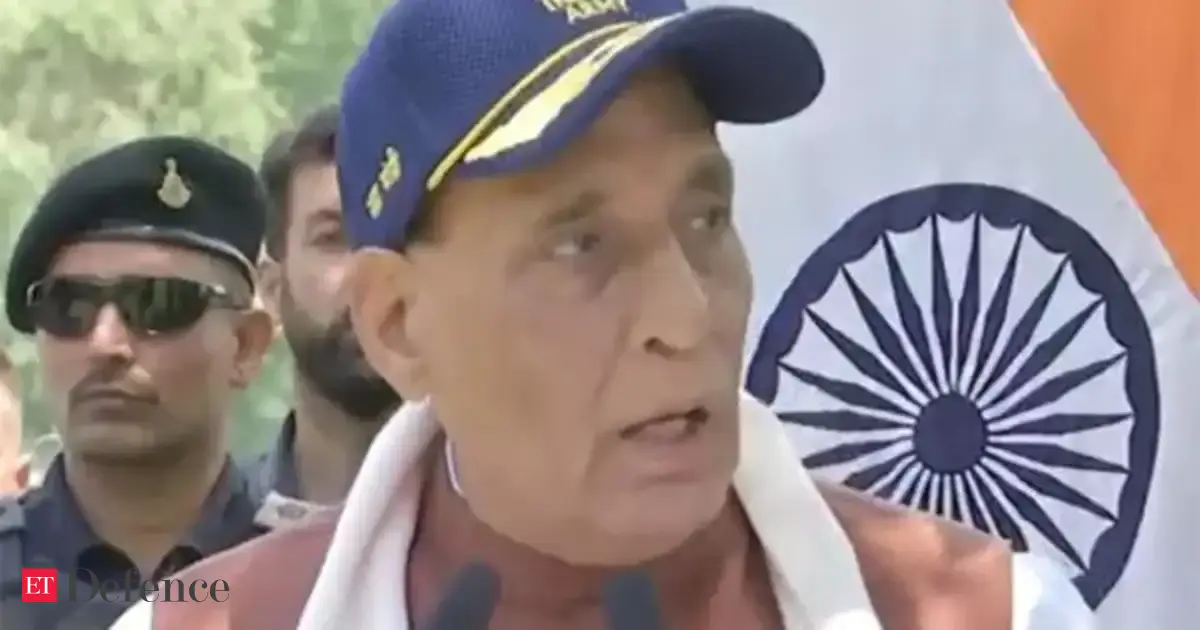
India's Defence Minister Rajnath Singh, during high-level talks in Seoul, has unequivocally declared that India will not countenance any form of "nuclear blackmail." This firm stance emerged following extensive bilateral discussions with his South Korean counterpart, Ahn Gyu-back, where the two nations solidified new defense pacts aimed at bolstering strategic cooperation and regional security. The declaration signals India's unwavering resolve against nuclear coercion, reinforcing its strategic autonomy amidst a complex global security landscape. These defense agreements underscore a deepening partnership between New Delhi and Seoul, critical for maintaining stability in the volatile Indo-Pacific region. This robust statement by Rajnath Singh carries significant geopolitical weight, especially when contextualized within India's evolving nuclear doctrine of "No-First-Use" (NFU) but "Credible Minimum Deterrence." It serves as a clear message to potential adversaries in an era marked by heightened nuclear saber-rattling and shifting global power dynamics. The enhanced India-South Korea defense cooperation is a strategic play, reflecting both countries' commitment to a rules-based international order and their shared concerns over regional security challenges, including the proliferation risks in Northeast Asia. For Gen-Z intellectuals, this isn't just diplomatic rhetoric; it's a critical articulation of a rising global power's red lines in the nuclear domain, shaping the future geopolitical architecture of Asia.