Bangladesh PM Tarique Rahman's India Visit: High-Stakes Diplomacy for Strained Ties
Context mode is active. Hover over any highlighted term to see its definition. Click a nested term to go deeper.
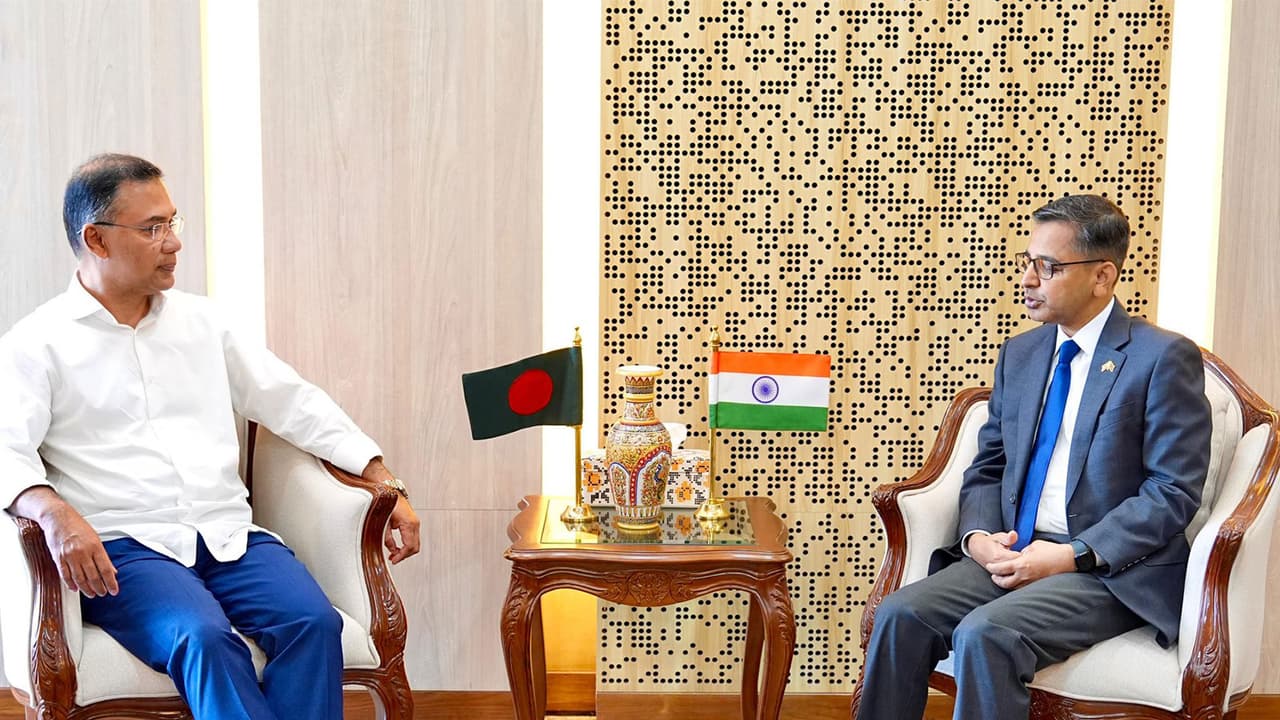
In a critical move to mend recently strained ties, Dhaka and New Delhi have resumed high-level talks to firm up a bilateral visit by Bangladesh Prime Minister Tarique Rahman to India in November. This anticipated trip comes amidst a concerted effort from Bangladesh to 'reset' its relationship with its powerful neighbor, following a period marked by diplomatic friction and significant political shifts in Dhaka. The discussions are seen as a pivotal opportunity to address complex issues that have vexed bilateral relations. The path to this potential visit has been bumpy, largely due to the dramatic political changes in Bangladesh in 2024, which saw Prime Minister Sheikh Hasina ousted and granted refuge in India. Rahman's government has since pressed for Hasina's extradition, adding a layer of tension to the diplomatic landscape. Further complicating matters was Rahman's decision to skip the BRICS Summit in New Delhi earlier this year, reportedly due to feeling snubbed by an invitation extended only in his capacity as BIMSTEC chairman, not as the head of government. With the critical Ganga Water Treaty nearing its December 2026 expiry and the long-pending Teesta water-sharing agreement still unresolved, the stakes for this November meeting are exceptionally high. Bangladesh is also in the midst of reviewing 101 agreements signed with India, aiming to ensure mutual benefit and iron out inconsistencies. Indian High Commissioner Dinesh Trivedi has been actively engaging with Bangladeshi officials to smooth the groundwork for the visit, even as PM Rahman prepares for an address at the UN General Assembly later this month. The November discussions are expected to tackle trade regularization, border concerns, and broader connectivity projects, alongside the contentious water treaties and extradition demands. Success or failure in charting a new course for India-Bangladesh relations will have significant ramifications for regional stability and cooperation, all while Rahman faces domestic pressure from an opposition 'long march' demanding his resignation.