Bangladesh's New Era: Balancing China-US Ties While India Fights for Influence
Context mode is active. Hover over any highlighted term to see its definition. Click a nested term to go deeper.
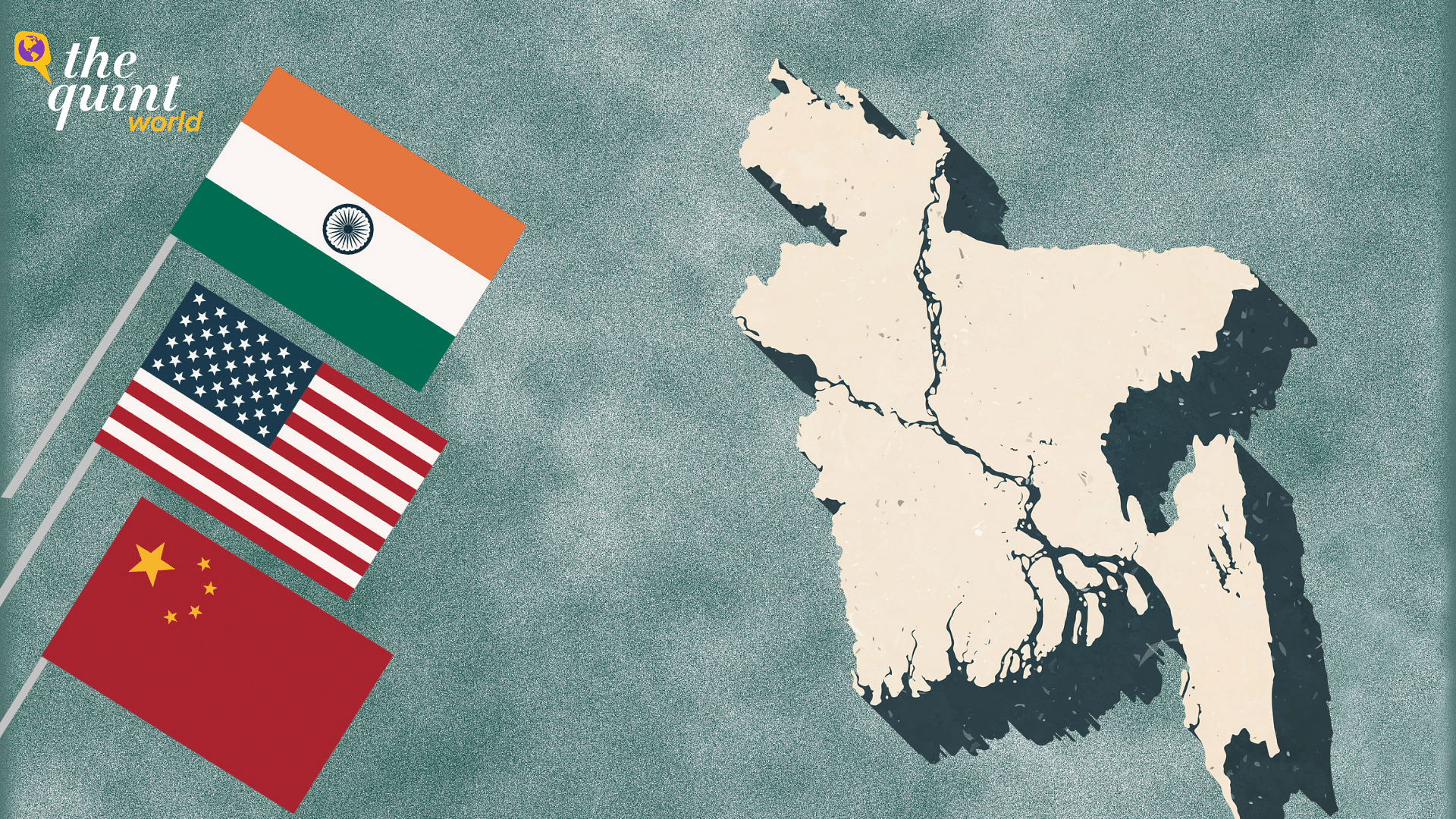
Bangladesh, under its new Prime Minister Tarique Rahman, is actively charting a course of 'Strategic Autonomy', sparking a geopolitical scramble as it deepens ties with both China and the United States, raising concerns in New Delhi. Recent moves, including Rahman's June 2026 visit to Beijing for major infrastructure deals and Dhaka's decision to join a China-led AI initiative, signal a clear shift away from its historically India-centric foreign policy. Meanwhile, Washington is aggressively pushing for defense and trade partnerships, further complicating India's efforts to reset a relationship strained by the ouster of former Prime Minister Sheikh Hasina. The stakes are high as Dhaka navigates this complex diplomatic landscape, seeking to balance economic needs with national interests. The ruling Bangladesh Nationalist Party (BNP) 'Bangladesh First' policy has seen it sign a significant trade pact with the US and consider joining the Mecca Joint Defence Agreement, a security bloc involving Saudi Arabia, Türkiye, and Pakistan. This comes as India grapples with rising 'Anti-India sentiment' in Bangladesh and Dhaka's firm demand for the extradition of Sheikh Hasina, now exiled in India. The uncertainty around Prime Minister Rahman's attendance at the upcoming BRICS Outreach Session in New Delhi further underscores the deepening trust deficit. Looking ahead, all eyes are on how Bangladesh manages its multi-aligned foreign policy without alienating its vital neighbors or becoming a pawn in great-power competition. Key developments to watch include progress on the contested Teesta River Project, the final decision on joining the Mecca Pact, and any breakthroughs on the Ganges Water Sharing Treaty. India faces the urgent challenge of rebuilding trust and finding new ways to engage Dhaka, or risk seeing Bangladesh drift further into the strategic orbits of its rivals.