Bangladesh's Nuclear Leap: Rooppur Connects Grid as Nation Eyes Smaller Atomic Future
Context mode is active. Hover over any highlighted term to see its definition. Click a nested term to go deeper.
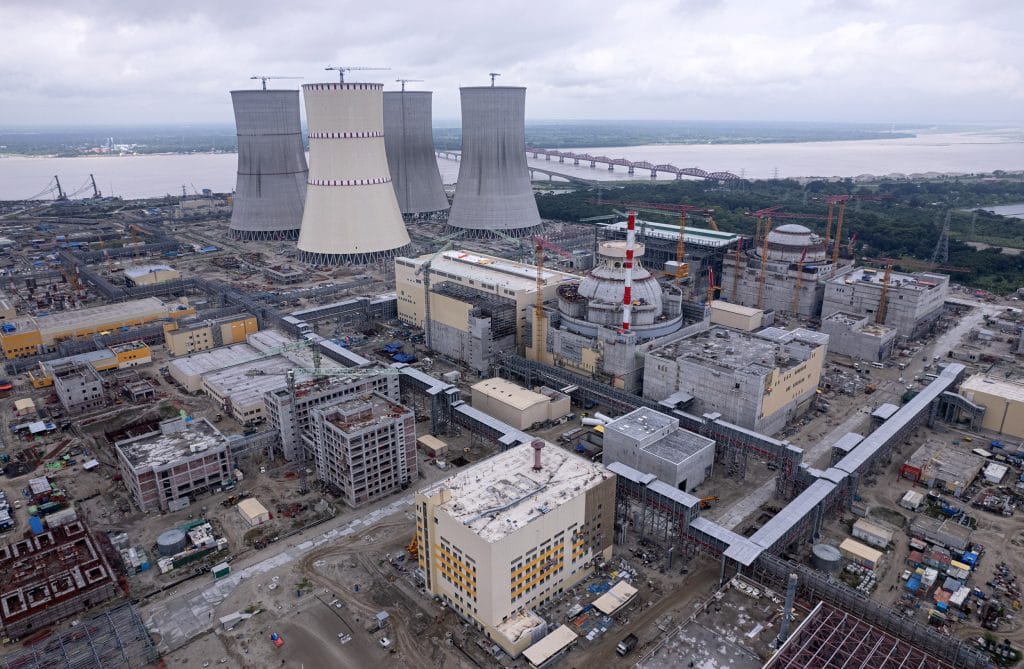
Bangladesh is on the verge of a historic energy shift, with the Russian-built Rooppur Nuclear Power Plant first unit slated to feed electricity into the national grid by late August 2026. This $12.65 billion project marks the nation's ambitious entry into atomic power, aiming to power approximately 15% of its electricity needs by 2028 once both reactors are fully operational. The move is a critical step for a country battling surging energy demand and heavy reliance on costly imported fossil fuels. However, this nuclear debut comes with complex geopolitical and financial considerations. The project, primarily financed by Russia's state atomic energy corporation Rosatom, has faced significant delays and cost escalations due to global events like the COVID-19 pandemic, Russia's invasion of Ukraine, and other geopolitical tensions. Compounding these challenges, Bangladesh Power and Energy Minister recently revealed a strategic pivot: the country will not pursue further large-scale nuclear plants after Rooppur, instead turning its attention to more agile, Western-supplied Small Modular Reactors, or SMRs. This signals a re-evaluation of long-term energy strategy amid a global push for diversified and less capital-intensive power solutions. With Unit 1's initial 300MW expected on the grid soon, the focus will now shift to its stable operation and the commissioning of Unit 2 by 2028. The nation's decision to explore SMRs suggests a future energy landscape that balances large-scale baseload power with flexible, quicker-to-deploy nuclear options. This strategic shift is being closely watched by other developing nations contemplating their own nuclear energy transitions, highlighting the evolving dynamics of global atomic power adoption.